
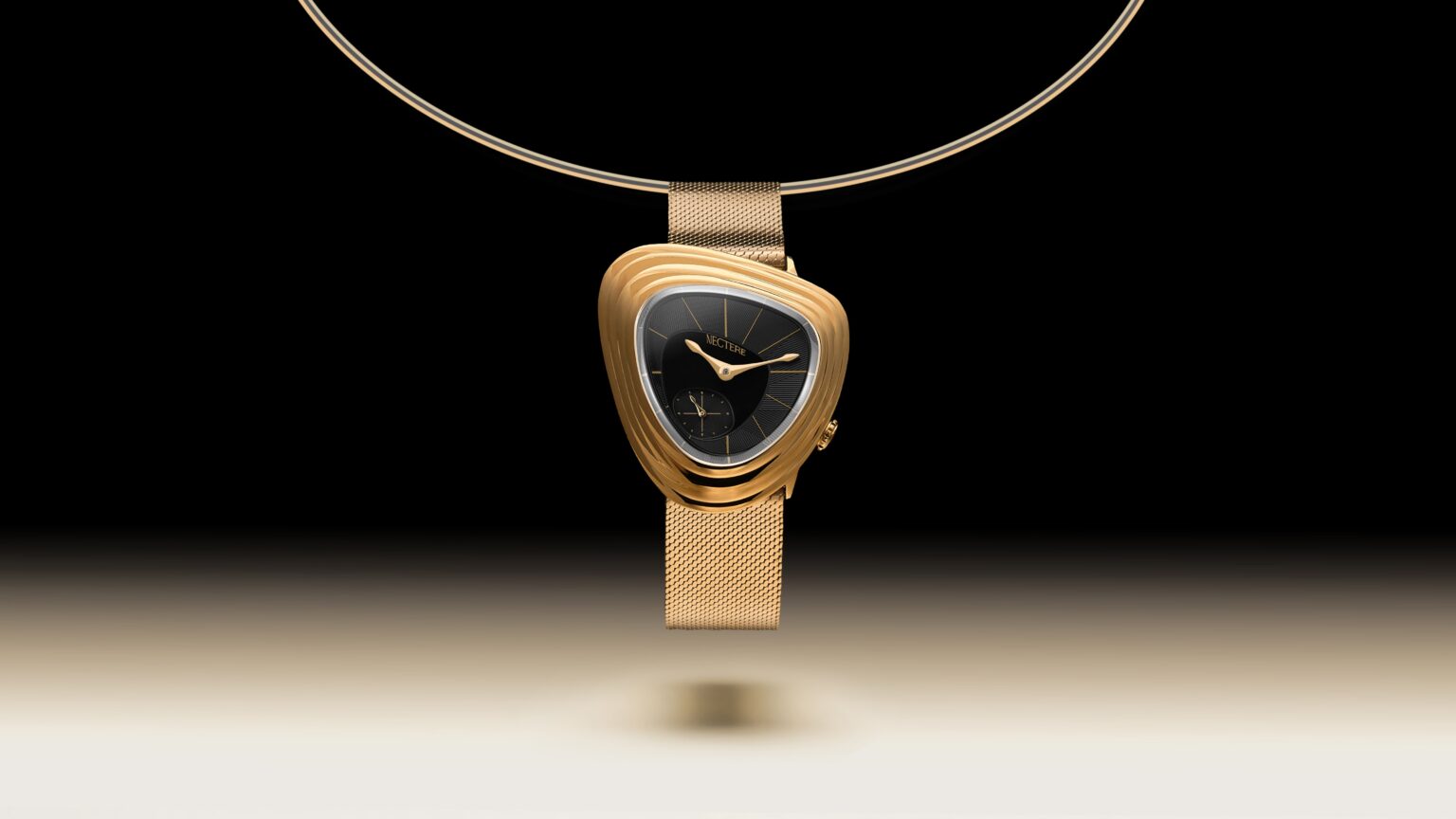
The landscape of horology is in a perpetual state of flux, continuously reshaped by evolving tastes, technological advancements, and the relentless pursuit of novel expression. For decades, the industry largely adhered to established archetypes, with innovation often manifesting as subtle refinements rather than radical departures. Today, however, a vibrant undercurrent of creativity is challenging these norms, ushering in an era where the unconventional is not just tolerated but celebrated. This shift is particularly evident in the burgeoning segment of independent and microbrands, which are proving to be fertile ground for experimental designs that push the boundaries of traditional watchmaking, transforming timepieces into wearable art.
The Microbrand Renaissance: A Canvas for Creativity
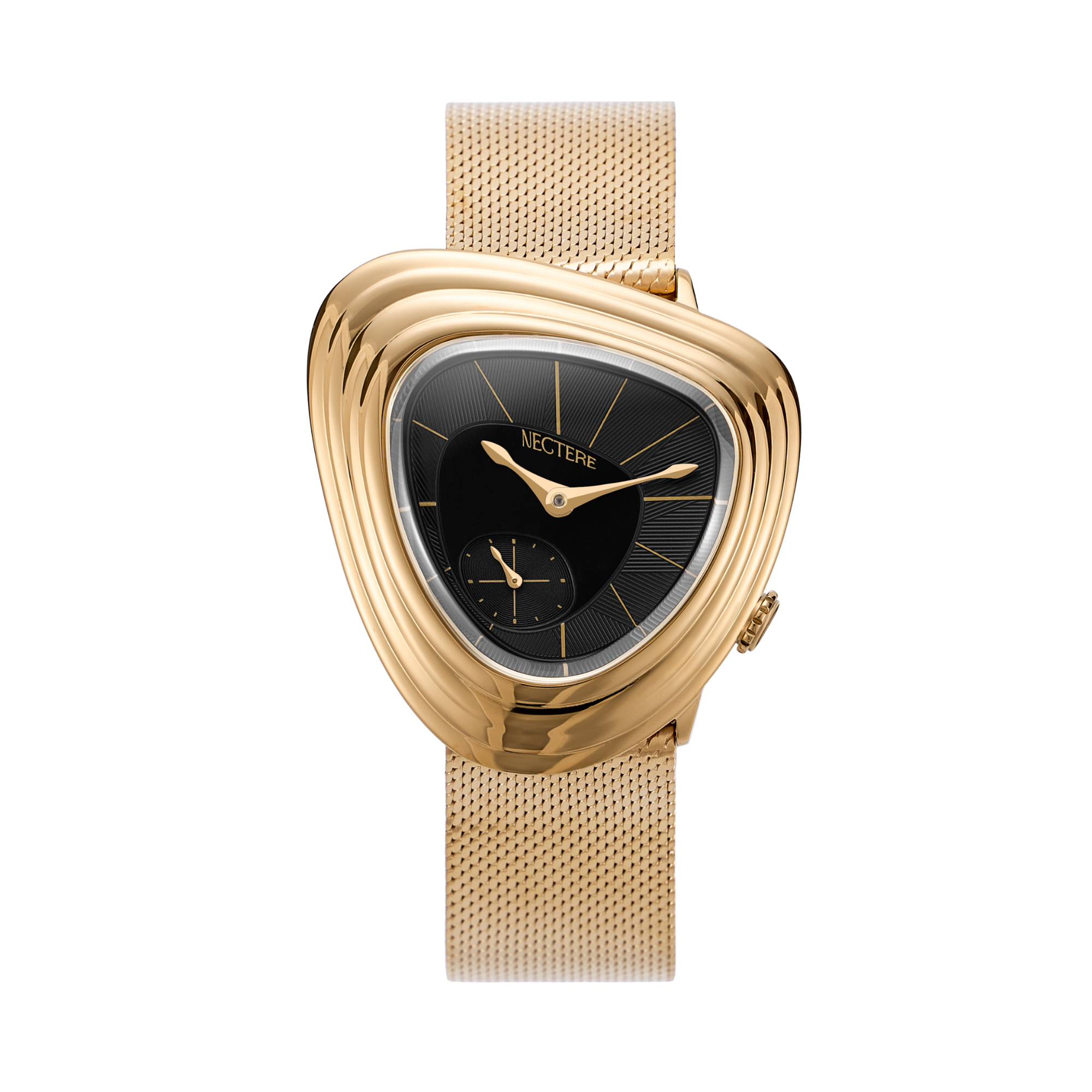
The rise of independent watchmakers and microbrands has democratized access to unique designs and distinct horological visions. Free from the constraints of legacy and mass-market appeal, these agile entities can take bolder risks, exploring aesthetics and concepts that might be deemed too niche for larger manufacturers. This environment fosters a spirit of innovation, allowing for the creation of watches that resonate deeply with collectors seeking individuality and a narrative beyond the mainstream. Brands like Nectere, for instance, exemplify this trend, offering limited-edition pieces that prioritize distinctive design and conceptual depth. Their approach demonstrates how smaller players can carve out significant niches by focusing on artistic expression and unique storytelling, often leveraging global supply chains to achieve impressive results without prohibitive costs.
Form Follows Concept: The Art of the Asymmetrical
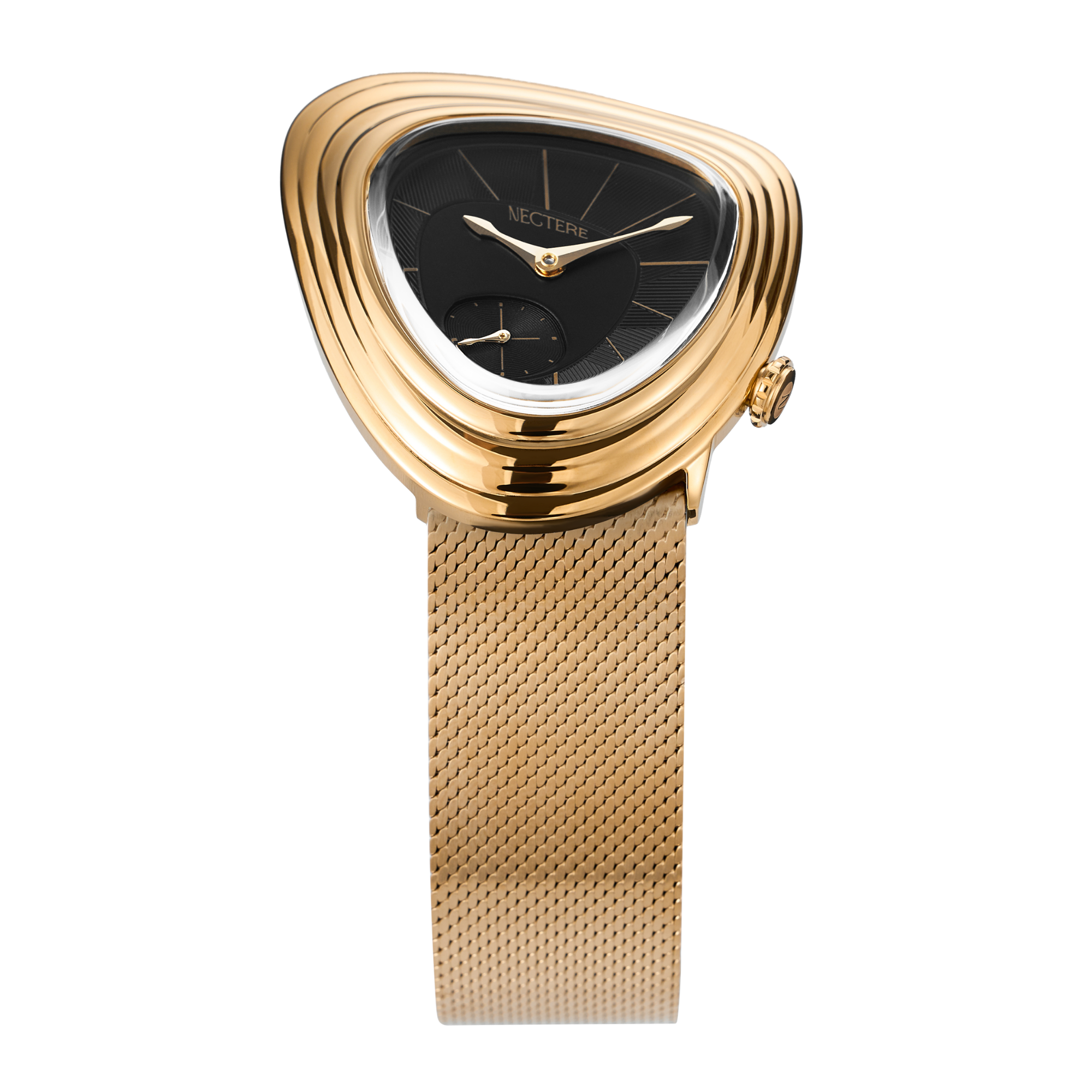
At the heart of this avant-garde movement is a philosophy where form is dictated by concept, rather than strictly by traditional watchmaking conventions. Watches are no longer just instruments for telling time; they are canvases for artistic interpretation, designed to evoke emotion and spark conversation. The Nectere Eclipse, for example, draws its inspiration directly from the celestial alignment of a total solar eclipse. This cosmic phenomenon, where "absolute, perfect order emerges from a chaotic universe," is translated into a tangible design. The watch aims to capture "the exact moment of totality," presenting itself as a "wearable art piece." This conceptual foundation informs every aspect of its aesthetic, from the void-like black dial with its dynamic sunray effect to the asymmetrical case lines. Such designs challenge the eye, inviting a deeper appreciation for the interplay of light, shadow, and form, reminiscent of artistic movements that broke away from rigid symmetry. The deliberate choice of an unconventional silhouette positions the watch not merely as an accessory, but as a statement piece that reflects a discerning wearer's appreciation for the extraordinary.
Engineering Elegance: The Pursuit of Thinness
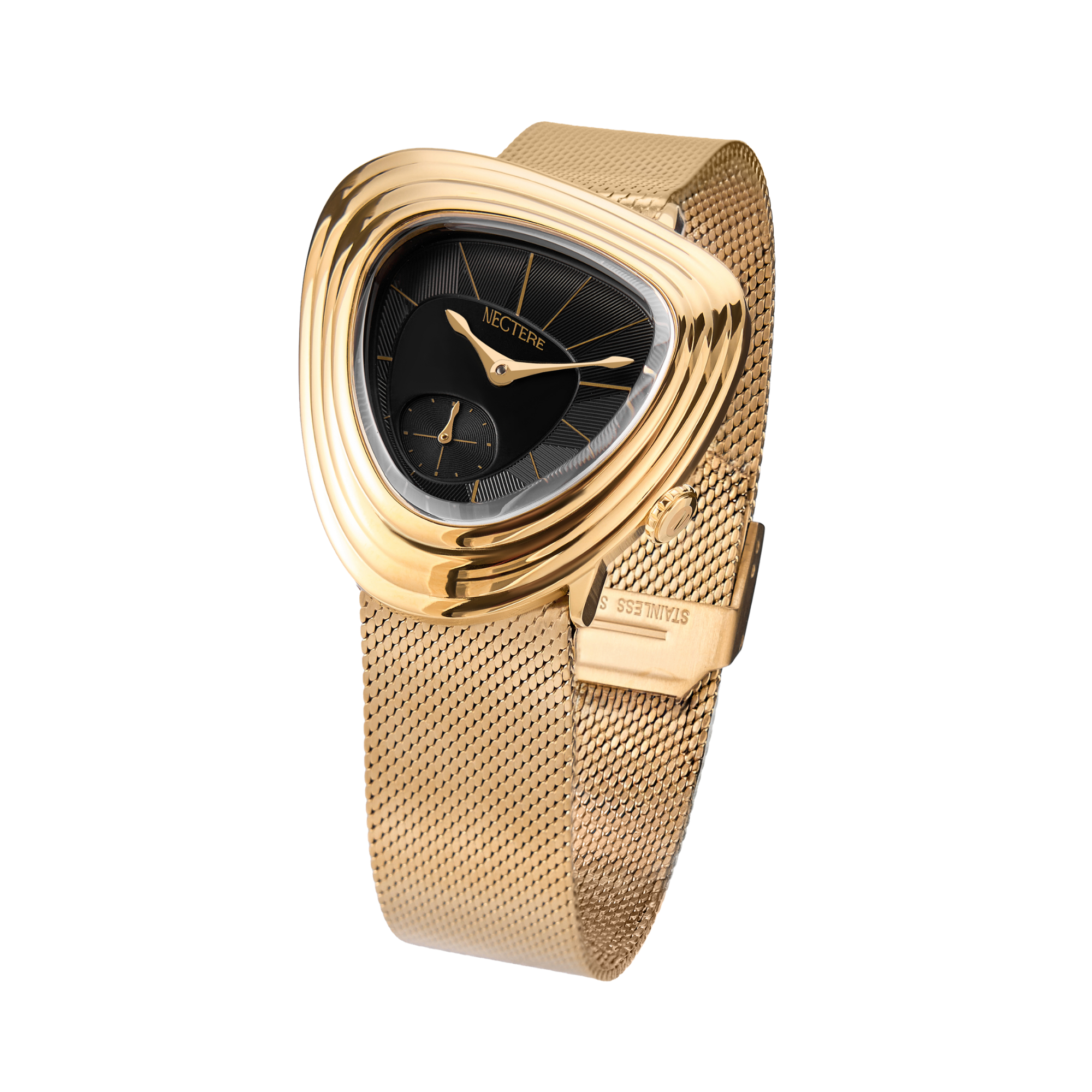
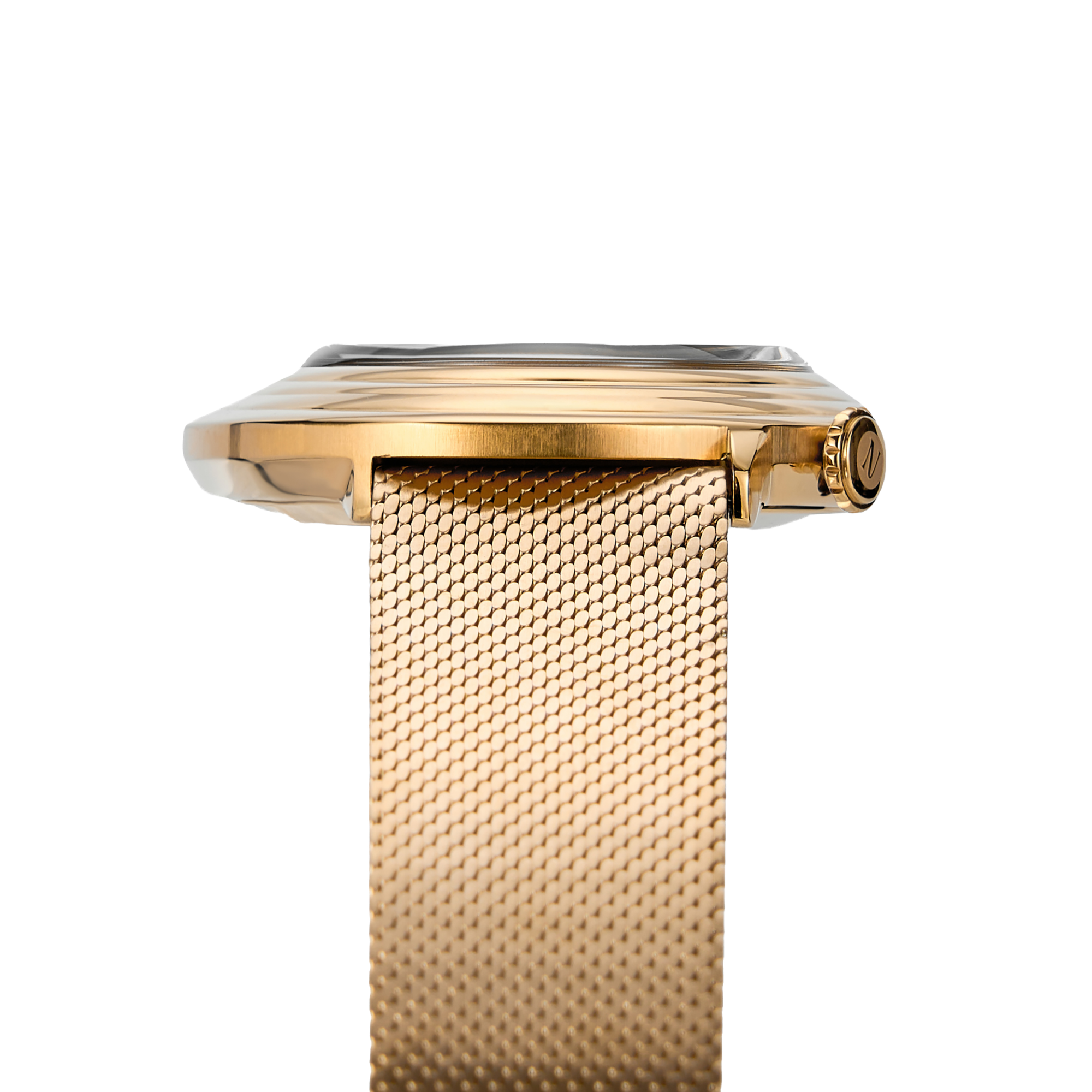
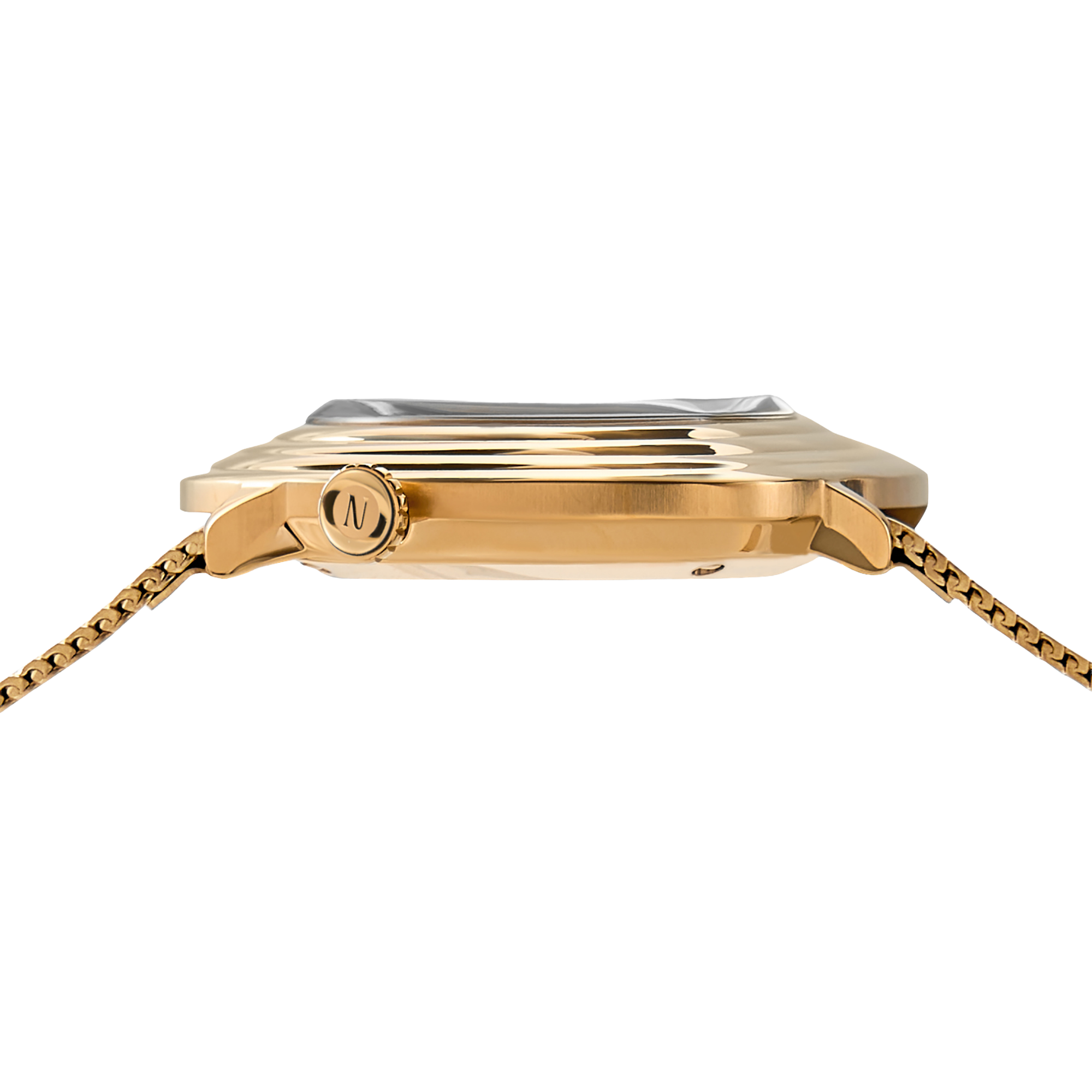
Achieving a distinctive aesthetic often requires equally innovative engineering. In the realm of watch design, thinness remains a hallmark of elegance and sophisticated craftsmanship. While many unique designs can inadvertently lead to bulky profiles, the most compelling pieces manage to maintain a refined wearability. The Nectere Eclipse exemplifies this balance, boasting a case thickness of just 8.5mm. This slender profile is a testament to thoughtful design and the strategic selection of components. A key enabler for such dimensions is the integration of an "Ultra-thin Manual Movement," specifically the Seagull ST-17. This hand-wound caliber, measuring approximately 3.2 millimeters thick, allows for a significantly reduced overall case height compared to its self-winding counterparts. While such movements might operate at a lower frequency or offer a shorter power reserve, their contribution to the watch's svelte profile is invaluable, enabling designers to realize their artistic visions without compromising wearability. The deliberate choice of a manual-wind movement also fosters a more intimate connection between the wearer and the timepiece, transforming the daily ritual of winding into a moment of engagement with the mechanical heart of the watch.
Details That Define: Crafting a Unique Identity
Beyond the overarching concept and movement choice, it is the meticulous attention to detail that truly elevates these avant-garde timepieces. The Nectere Eclipse showcases a complex, three-tiered black dial, designed to manipulate depth and texture. It features a pure sunburst finish radiating from the center, abruptly disrupted by an asymmetrical sub-register detailed with fine concentric micro-ridges, all anchored by a sharply striated outer dial with precise linear grooving. This intricate layering creates a dynamic visual experience, reflecting the chaotic yet ordered nature of an eclipse. The watch's visual impact is further enhanced by its domed sapphire crystal on the front, which features sharp, precise edges. This crystal acts as an "atmospheric lens," magnifying the deep, three-dimensional architecture of the textured black dial and seamlessly bridging the severe, asymmetrical lines of the PVD gold case.
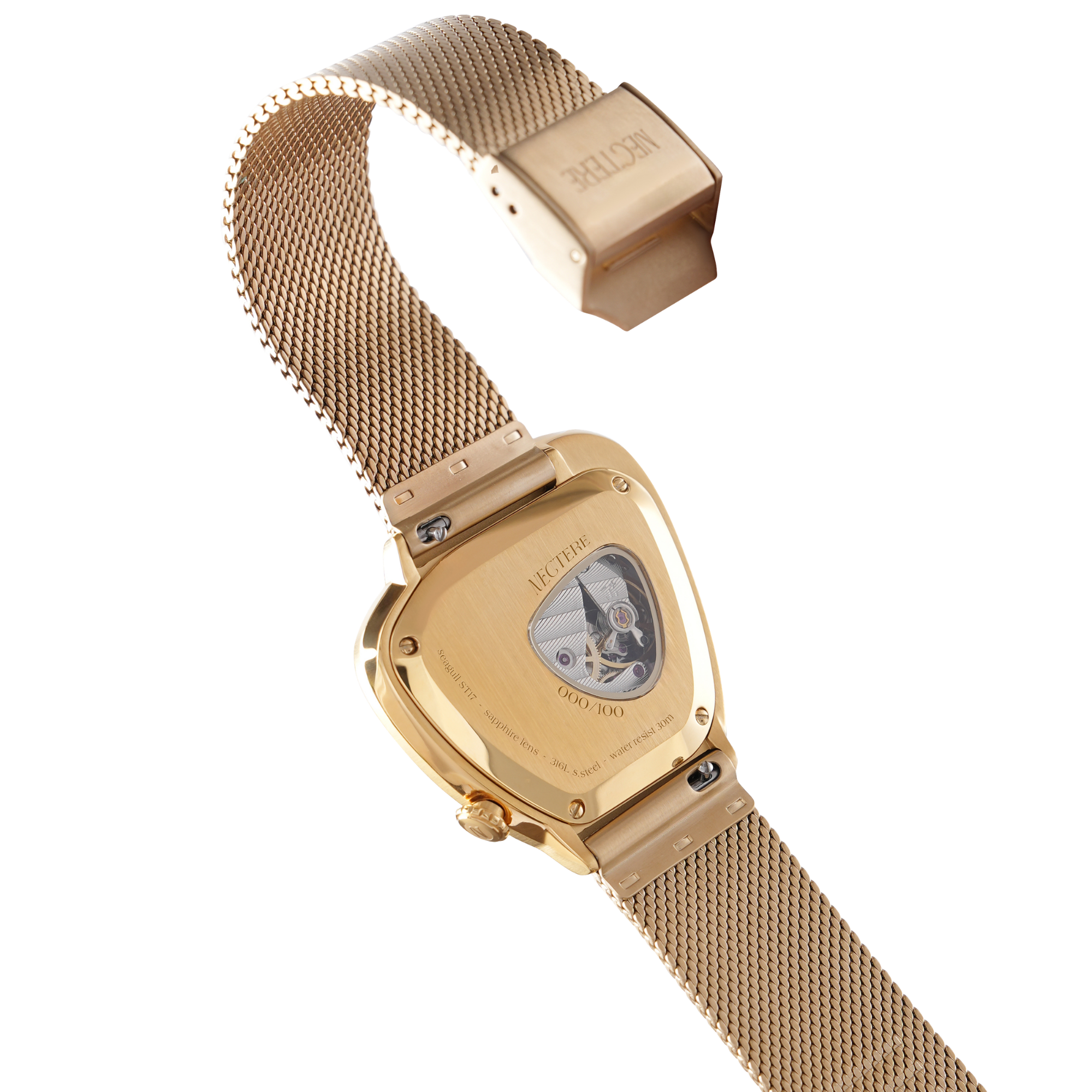
On the reverse, a K1 crystal open-heart window offers a glimpse into the Seagull ST-17 movement, providing a subtle nod to the horological engine within. The case itself is crafted from stainless steel, then PVD-coated in gold, providing a striking contrast to the dark dial and reinforcing the celestial theme. Complementing this design, the watch comes with a PVD gold mesh bracelet for a radiant look, alongside an extra 18mm genuine black leather strap equipped with a quick-release mechanism, allowing wearers to effortlessly shift the watch's aesthetic. These elements collectively contribute to a cohesive and compelling identity, ensuring the watch stands out as a distinctive piece of horological art.
The Future of Wearable Art
The current era in watchmaking is defined by an exciting duality: a deep respect for tradition coexisting with an unbridled enthusiasm for innovation. Watches like the Nectere Eclipse are not just time-telling devices; they are statements of personal style, reflections of a fascination with design, and tangible expressions of artistic vision. They represent a growing segment of the market where collectors are actively seeking pieces that challenge perceptions, offer unique narratives, and provide a fresh perspective on what a watch can be. As independent brands continue to push creative boundaries and make sophisticated horology more accessible, the future promises an even richer tapestry of designs, ensuring that the art of watchmaking remains as dynamic and captivating as the celestial phenomena that inspire it. This evolution ensures that for every traditionalist, there is an equally compelling, avant-garde option, solidifying the watch as a true form of wearable art.
Written by Man of the Hour.