
The Call of the Void and the Wrist
For centuries, humanity has gazed at the stars, driven by an insatiable curiosity to explore the unknown. This enduring fascination with space has profoundly influenced our culture, technology, and even our horological pursuits. From the earliest days of spaceflight, watches have been indispensable tools, silently accompanying astronauts on their perilous journeys beyond Earth's atmosphere. These timepieces, often subjected to unimaginable stresses, have become symbols of human ingenuity and resilience. Yet, the definition of a “space watch” is evolving, moving beyond accidental heroes to a new era of purpose-built instruments designed from the ground up for the cosmos.
From Accidental Heroes to Engineered Icons
The narrative of space watches is often dominated by legendary timepieces that achieved their cosmic status almost by chance. The most celebrated among them, the Omega Speedmaster Professional “Moonwatch,” was originally conceived as a sports racing chronograph. Its eventual selection by NASA for the Apollo missions in the 1960s and 1970s was a testament to its robust design and reliability, rather than an initial intention for extraterrestrial use. This era established the archetype of the space watch as a rugged, dependable tool, albeit one repurposed for a role far beyond its original design brief.
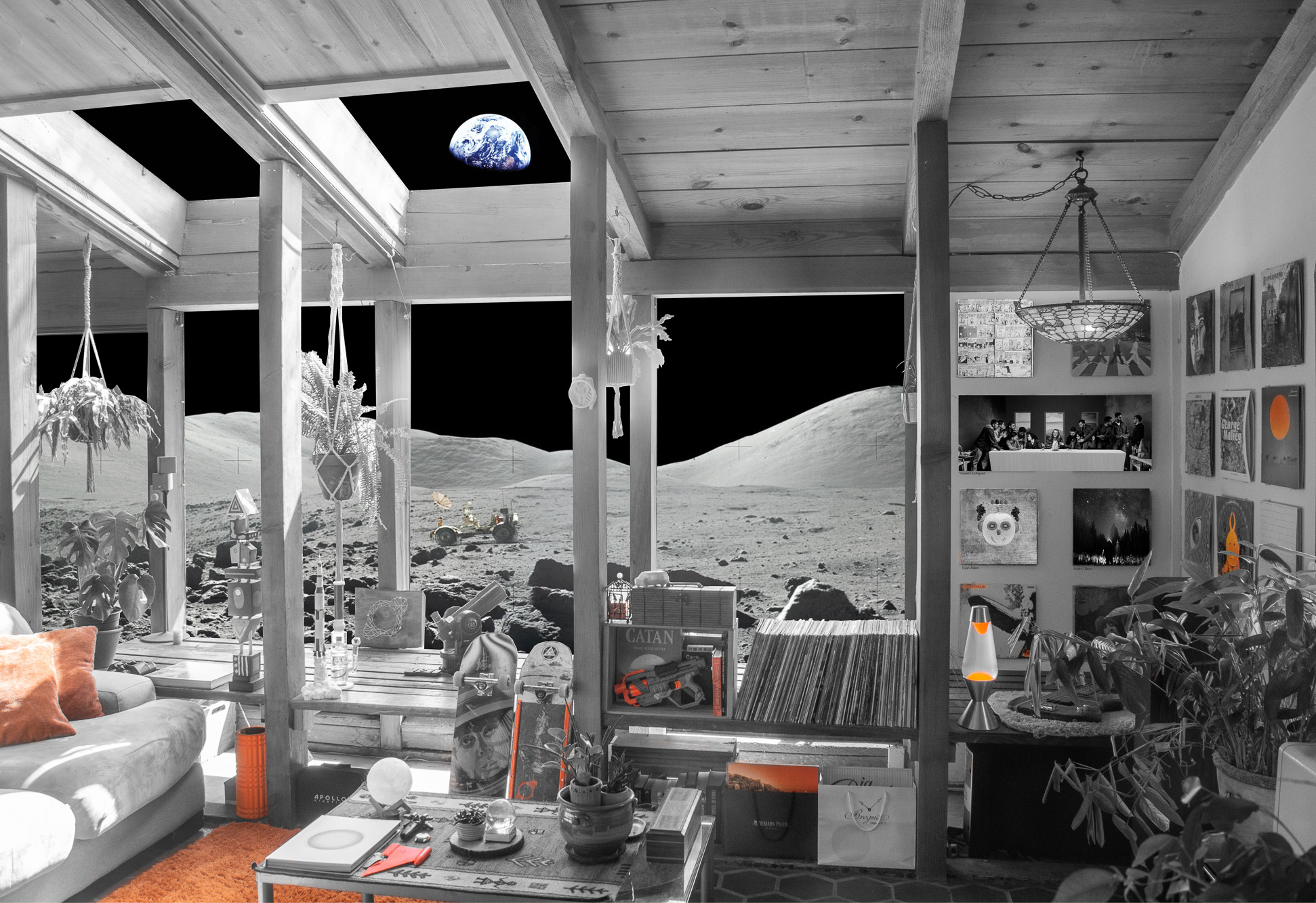
However, the landscape of space exploration is rapidly changing. The resurgence of interest in spaceflight, fueled by private ventures and ambitious new programs, demands a fresh approach to the tools astronauts carry. This new frontier calls for timepieces that are not merely adaptable but are explicitly engineered for the unique and unforgiving environments of space. This shift marks a pivotal moment in horology, where specialized design and advanced materials are paramount, moving beyond the legacy of repurposed instruments to a future of dedicated space-age horology.
The Demands of the Cosmos: A New Engineering Paradigm
Designing a watch for space presents a formidable array of engineering challenges that far exceed those encountered on Earth. Astronauts require precise timekeeping both inside their vehicles (IVA – intravehicular activity) and during spacewalks (EVA – extravehicular activity). The latter, in particular, exposes timepieces to extreme conditions: vast temperature fluctuations from scorching sunlight to freezing shadow, the vacuum of space, and pervasive radiation. A true space watch must not only withstand these rigors but also remain fully functional and legible under pressure.

This demanding environment necessitates innovative solutions in material science, case construction, and movement protection. Traditional watchmaking materials and techniques, while refined over centuries, often fall short when confronted with the vacuum, radiation, and thermal extremes of space. The new paradigm for space horology focuses on lightweight yet incredibly strong alloys, specialized crystals that resist shattering, and crown systems that maintain integrity even when operated in a vacuum. These are not incremental improvements but fundamental re-imaginings of what a wristwatch can be, driven by the ultimate testbed: outer space.
The Barrelhand Monolith: A Case Study in Space-Age Horology
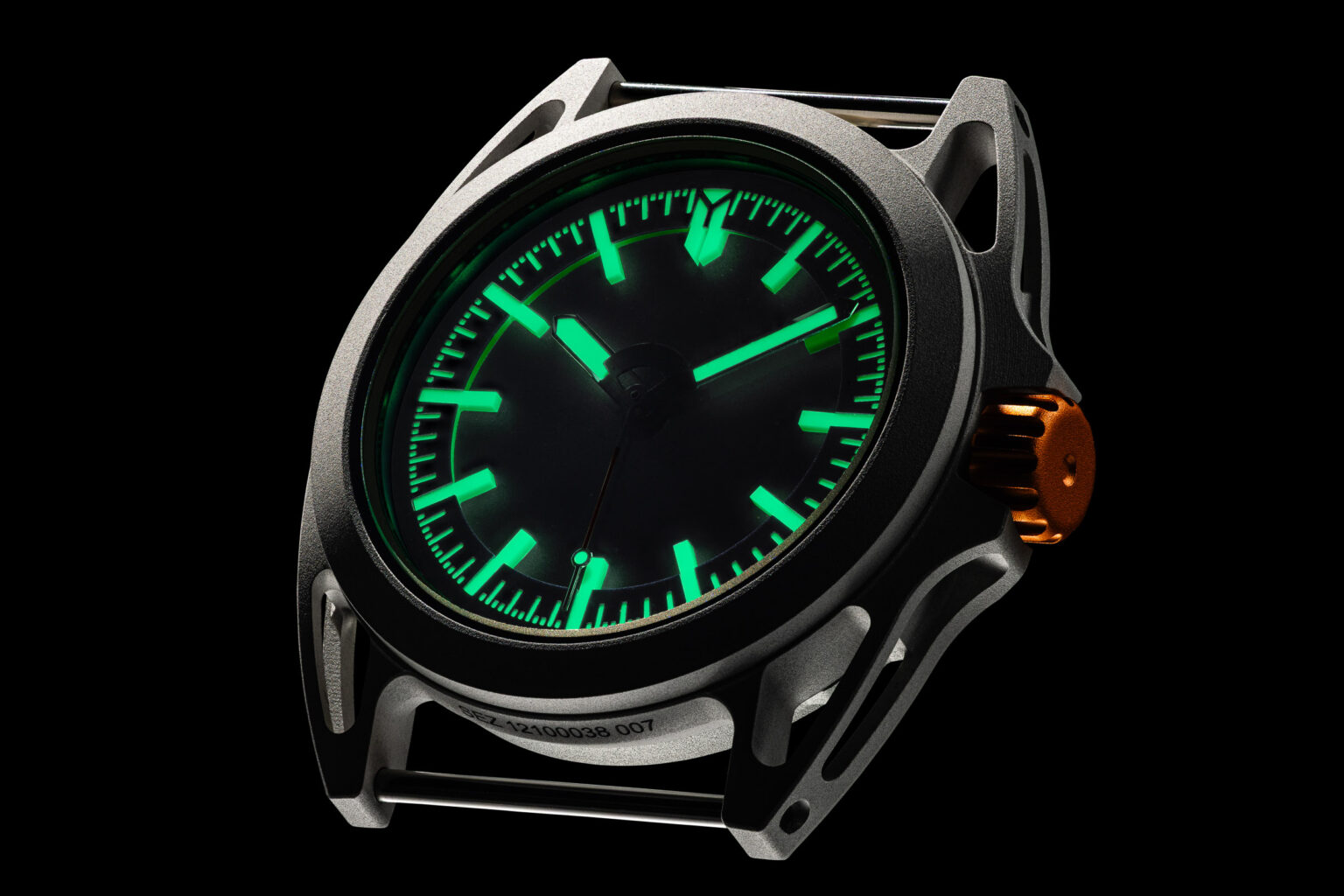
The Barrelhand Monolith stands as a compelling example of this new generation of purpose-built space watches. It is explicitly created to be useful for astronauts in space, designed to function as both an EVA and IVA tool. Every aspect of its construction reflects a meticulous consideration of the cosmic environment.
The Monolith's case, for instance, is crafted from Scalmalloy, a 3D-printed metal alloy that is nearly half the weight of titanium, yet remarkably tough and corrosion-resistant. This choice of material contributes to an exceptionally light watch, with the case weighing just 6.5 grams and the entire timepiece on its strap a mere 31 grams. Such lightness is crucial for comfort and maneuverability in zero gravity. The case also incorporates empty insulation zones to manage extreme temperature fluctuations, a vital feature for surviving the drastic thermal shifts in space. The black ceramic dial is chosen for its stability, lacking color coatings that could deteriorate under radiation.
One of the Monolith’s most impressive innovations is its unique “Airlock Crown.” Unlike traditional screw-down crowns, this system does not need to be screwed down to maintain water and pressure resistance. Crucially, it can be operated underwater or in a vacuum to wind the movement or set the time, a functionality rarely found in conventional dive or tool watches. The crown’s substantial 8mm width is intentionally designed for ease of operation, even when wearing gloves.
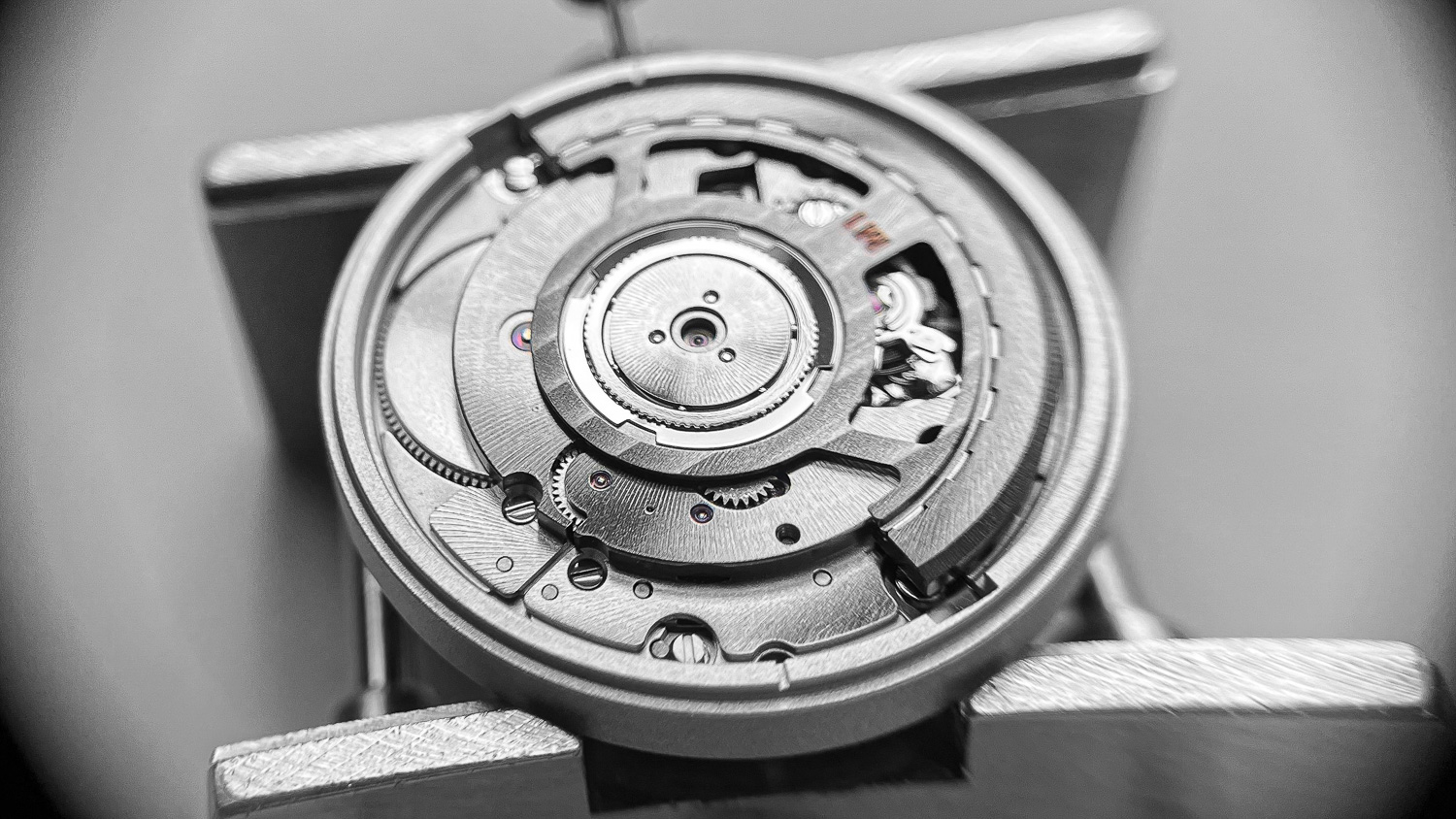
Over the dial, a specially made “C-plane” sapphire crystal is employed. This material is engineered to retain the hardness of sapphire while being resistant to shattering if subjected to shock, a critical durability factor for any instrument used in demanding conditions. Inside, the watch houses a Swiss Made Sellita SW300-1b movement, which Barrelhand refers to as its “M1 Engine.” This movement is upgraded for enhanced anti-magnetic and shock-resistance properties and is Chronofiable tested for accuracy and reliability. An anti-shock and anti-vibration holder system further protects the mechanical heart of the watch.
Despite its advanced engineering, the Monolith maintains a surprisingly wearable profile, measuring 38mm wide and 11.8mm thick with a 45mm lug-to-lug distance. This medium size challenges the notion that space watches must be oversized, demonstrating that optimal functionality can coexist with ergonomic design. The dial itself, while appearing sterile with minimal branding, is a complex construction of matte black ceramic with multi-layered luminous material, ensuring legibility in low-light conditions.
Beyond Timekeeping: The Monolith's Enduring Legacy
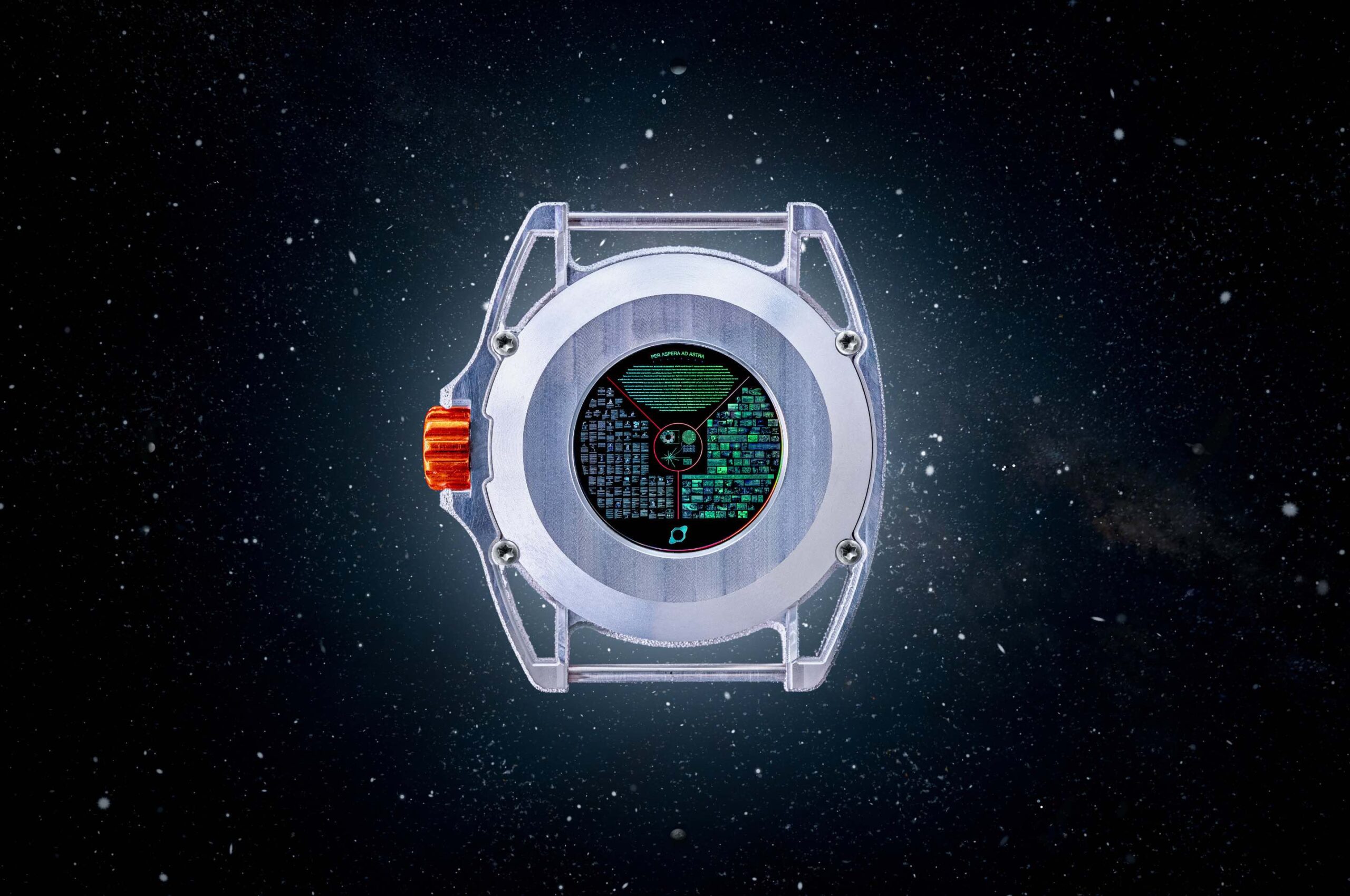
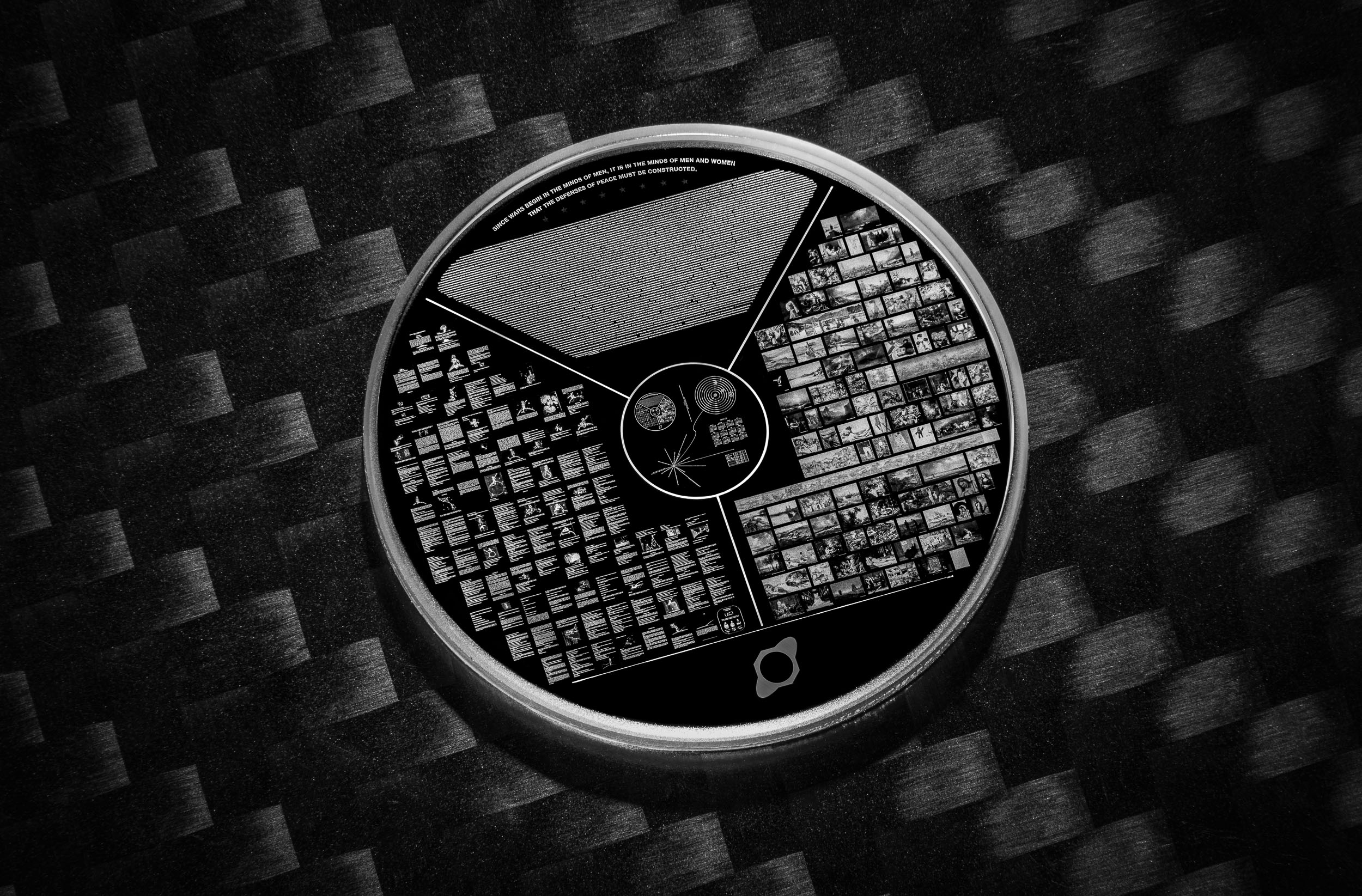
Perhaps the most distinctive and culturally significant feature of the Barrelhand Monolith is its “Memory Disc module” on the caseback. This 19mm wide, 1.2mm thick disc stores the equivalent of 3GB of data using NanoFiche technology. Its purpose is profound: to explain humanity to any potential extraterrestrial discoverers, echoing NASA’s Voyager mission. Barrelhand collaborated with UNESCO on the Memory Disc V3, aiming to safeguard humanity's legacy in space, including cultural and linguistic heritage. While the data is not readily intelligible without high-magnification devices, its presence transforms the watch from a mere timekeeping instrument into a philosophical statement—a miniature time capsule carrying the essence of human civilization into the cosmos.
The Future is Now: What the Monolith Represents
The Barrelhand Monolith, launched in May 2026 and flight-proven in space in November 2025, represents a significant leap in horological innovation. It embodies a blend of cutting-edge materials, purpose-driven engineering, and a profound cultural narrative. While not produced in high numbers, its existence signals a new direction for the watch industry, where the demands of space exploration drive advancements that could eventually trickle down to other extreme-environment timepieces.
For collectors and enthusiasts, the Monolith offers more than just a robust tool watch; it offers a tangible connection to humanity's ongoing quest to explore the universe. It is a testament to the idea that even in an age of digital devices, the mechanical wristwatch continues to evolve, finding new relevance and purpose at the very edge of human endeavor. It is a watch not just for watching time, but for witnessing history unfold in the vast expanse of space.
Written by Man of the Hour.