
By the Man of the Hour Editorial Team
A Geneva story told through watches
Patek Philippe is often discussed in broad terms: independence, rarity, family ownership and formidable auction results. Those ideas matter, but they can make the company feel more abstract than it really is. The clearer way into its history is through the objects. An early pocket watch shows what the founders were trying to build. The Calatrava explains how restraint became a house language. The Nautilus shows that the manufacture could stretch that language into a radically different kind of watch without losing its identity.
That continuity did not appear fully formed. It grew from a succession of practical decisions about winding systems, case construction, movement production, design and control over manufacturing. Patek Philippe’s connection to Geneva provides the setting, but the watches provide the evidence. They reveal a company that has repeatedly changed its methods while remaining unusually protective of its standards and independence.
1839: the enterprise before the modern name
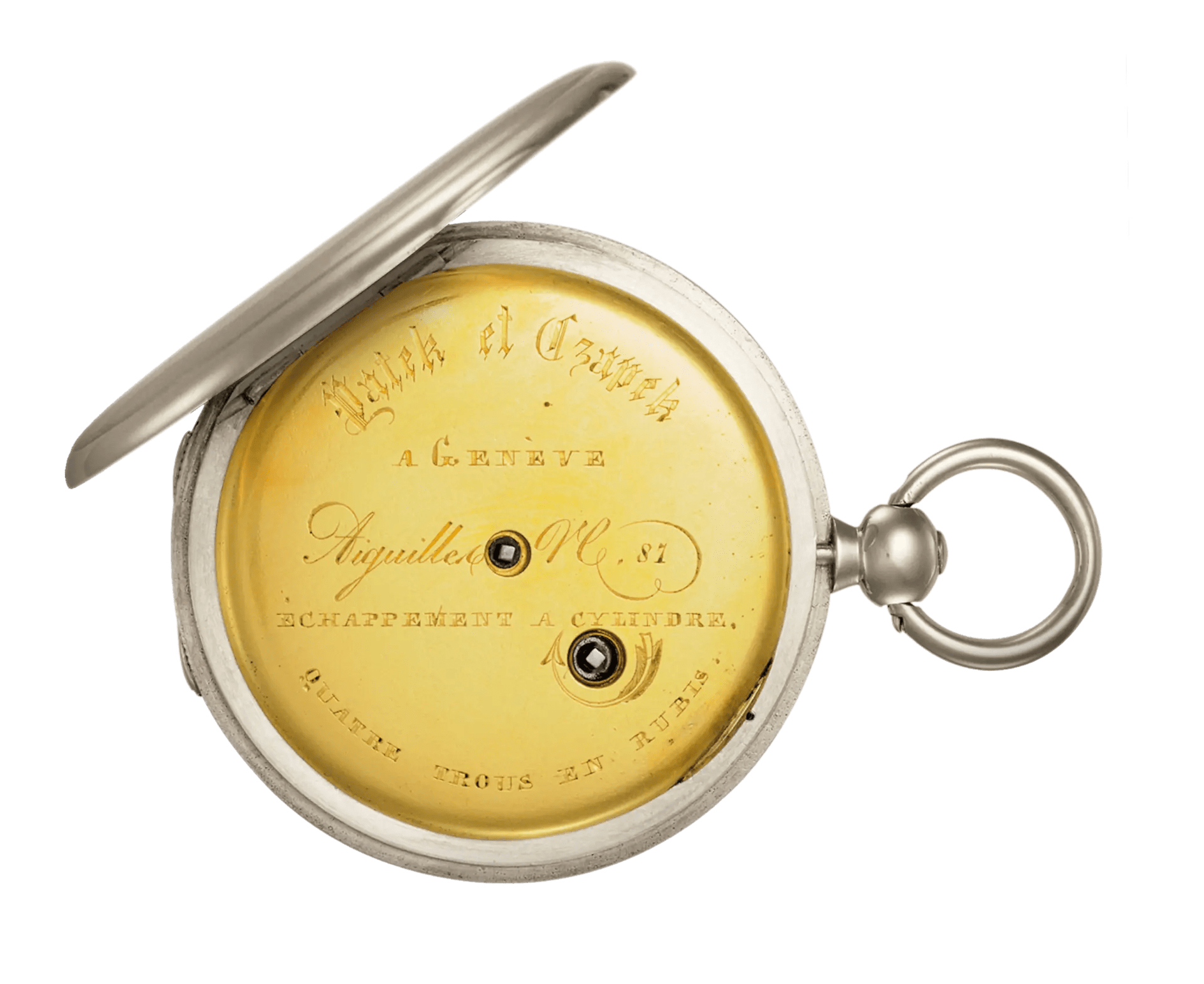
The business began in Geneva in 1839 as Patek, Czapek & Cie, founded by Antoine Norbert de Patek and Franciszek Czapek. Patek had settled in Geneva during the 1830s and brought the commercial drive that would take the firm beyond a local workshop. The decisive technical partnership came later. At the Industrial Exposition in Paris in 1844, Patek encountered the French watchmaker Jean Adrien Philippe and his keyless winding system. Philippe joined him in Geneva, and the company eventually became Patek, Philippe & Cie.
Keyless winding is easy to take for granted because the crown is now such a familiar part of a mechanical watch. In the middle of the nineteenth century, replacing a separate winding key with a stem-operated system was a meaningful advance in convenience and construction. Philippe continued developing the mechanism, adding a slipping spring around 1860 and securing a series of patents. The partnership therefore joined two different strengths: Patek’s ability to establish an international clientele and Philippe’s ability to make technical ideas usable.
Pocket watch No. 87: an early object with a personal connection
One of the most useful surviving objects from the opening chapter is Antoine Norbert de Patek’s own pocket watch, No. 87, preserved in the Patek Philippe Museum. The official description identifies a silver hunter case with rose-gold hinges, a satin-finished silver dial, painted Roman numerals and rose-gold Breguet hands. The centre of the dial is engraved with scrolling foliage. It is not a modern product retrospectively dressed in heritage language; it is a watch directly connected to the founder and the original Patek, Czapek & Cie name.
No. 87 also shows why early Patek Philippe history cannot be reduced to minimalist design. Decoration, precious-metal detail and traditional craft were present from the beginning. What later changed was the vocabulary. The company would move from ornate pocket watches to cleaner wristwatch forms, then into complicated calendars, chronographs and sports watches. The underlying ambition—to unite technical watchmaking with controlled finishing—remained recognisable even as the appearance changed.
The Stern era and the discipline of the Calatrava
A second defining transition arrived in 1932. During the Great Depression, brothers Charles and Jean Stern, whose dial company Stern Frères had supplied Patek Philippe, acquired the manufacture. The Stern family has remained in control since then. The timing matters because 1932 was also the year in which the original Calatrava Ref. 96 appeared. Its round case and economical dial became a durable expression of the idea that a formal watch did not need visual excess.
The Calatrava was not the only kind of watch Patek Philippe made, but it became a useful baseline for understanding the brand. Proportion, legibility and finishing had to carry the design. Later versions could introduce different bezels, lugs, dial treatments and complications without abandoning that basic discipline. It is why the collection remains more than a period style: it is a framework that can absorb change while still reading as a Patek Philippe dress watch.
Calatrava 6119G-001: the modern line in white gold
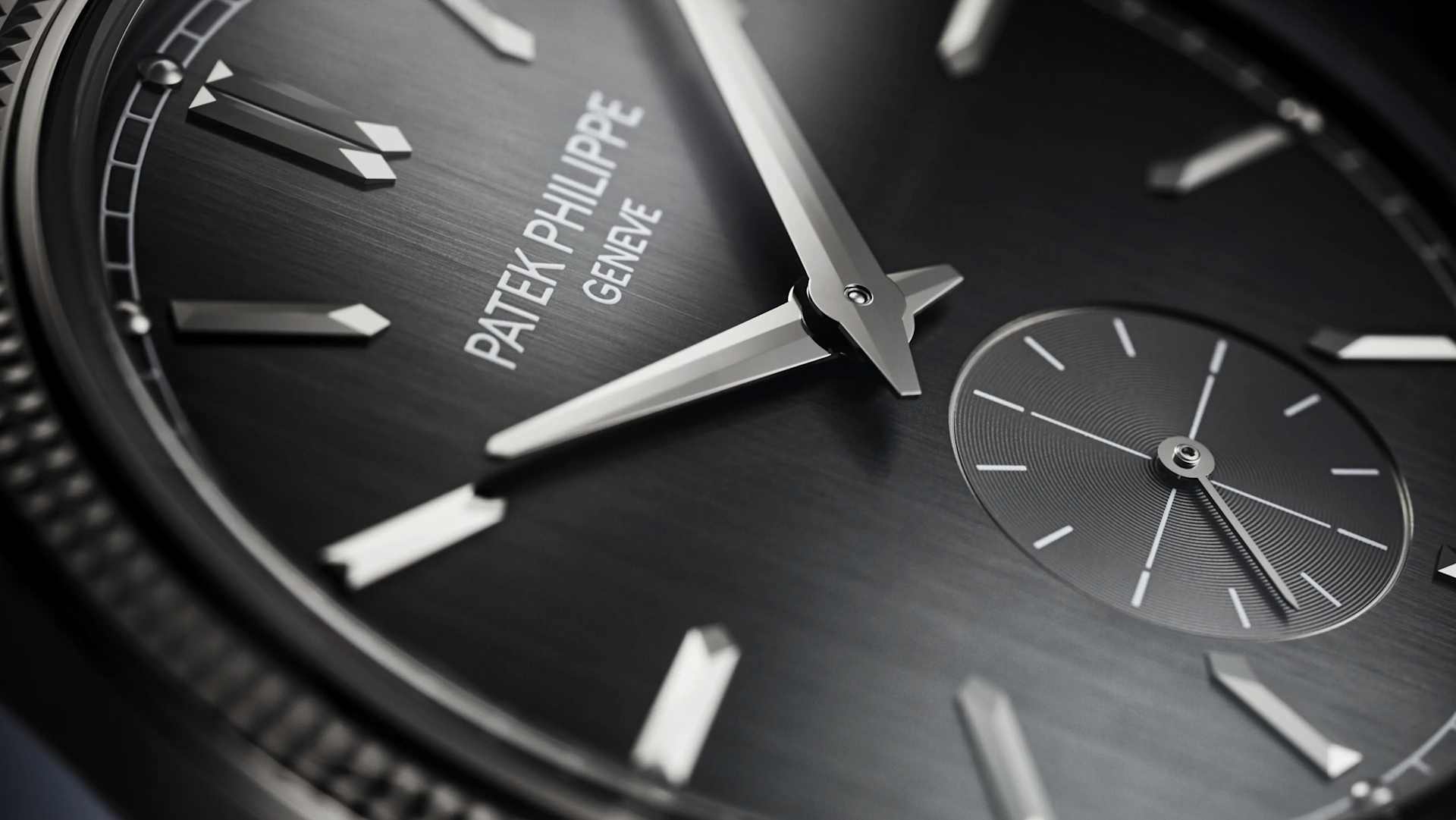
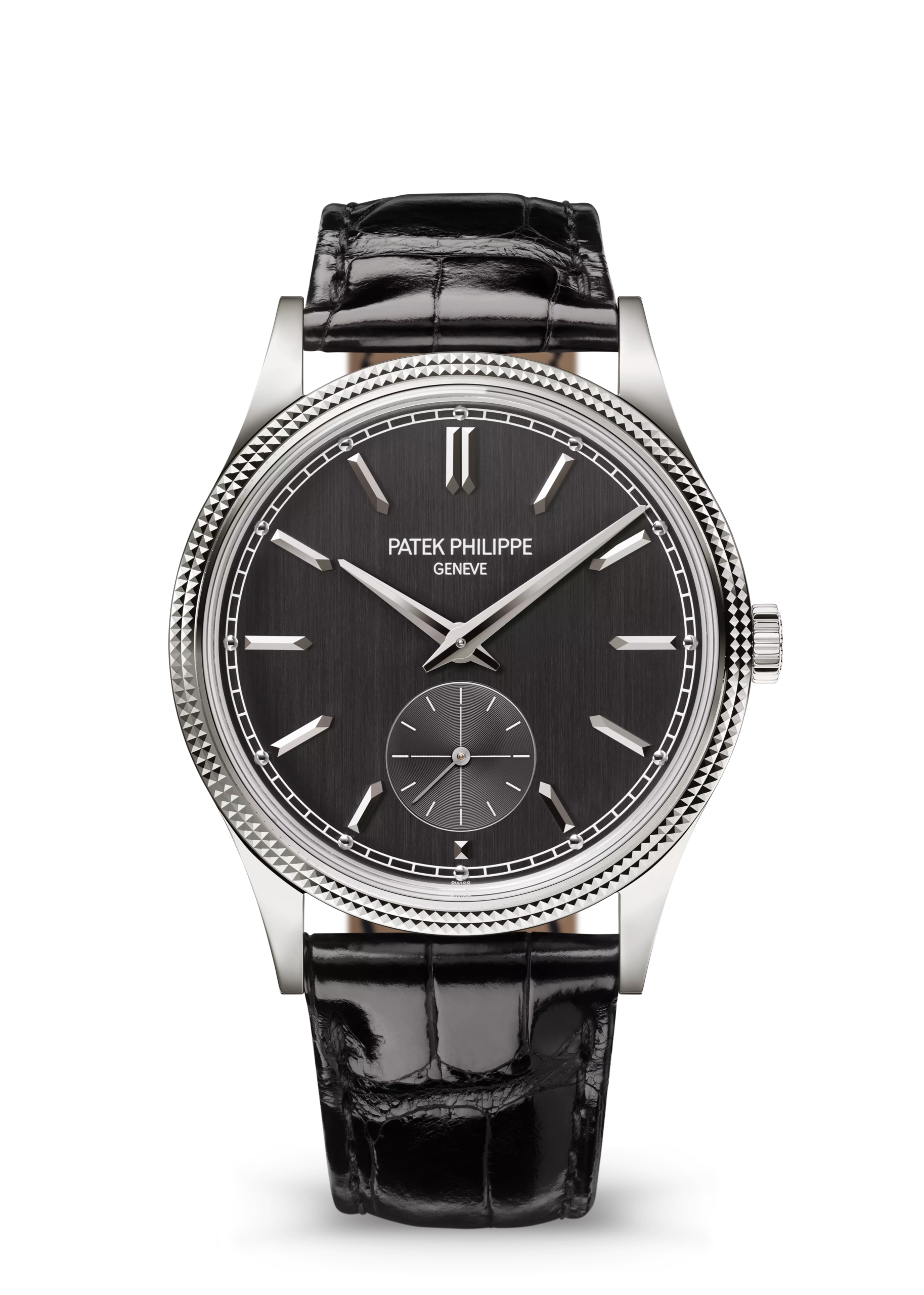
The current Calatrava Ref. 6119G-001 makes that continuity unusually easy to see. This is the white-gold version with a charcoal-grey, vertically satin-finished dial. It uses faceted white-gold obus-style hour markers, faceted dauphine hands and small seconds at six o’clock. Around the dial is a guilloched Clous de Paris, or hobnail, bezel. That decoration adds texture without changing the fundamental clarity of the watch.
The case measures 39 mm across and 8.08 mm thick. Inside is the manually wound 30-255 PS calibre, a 2.55 mm-thick movement with twin barrels and a stated minimum power reserve of 65 hours. The exact details are important because they prevent the image and description from drifting into a generic idea of ‘a Calatrava’. This article depicts the 6119G-001 specifically: white gold, charcoal-grey dial, small seconds, black alligator strap. It is not the rose-gold 6119R-001 and should never be illustrated as though the two were interchangeable.
From formal restraint to the Nautilus
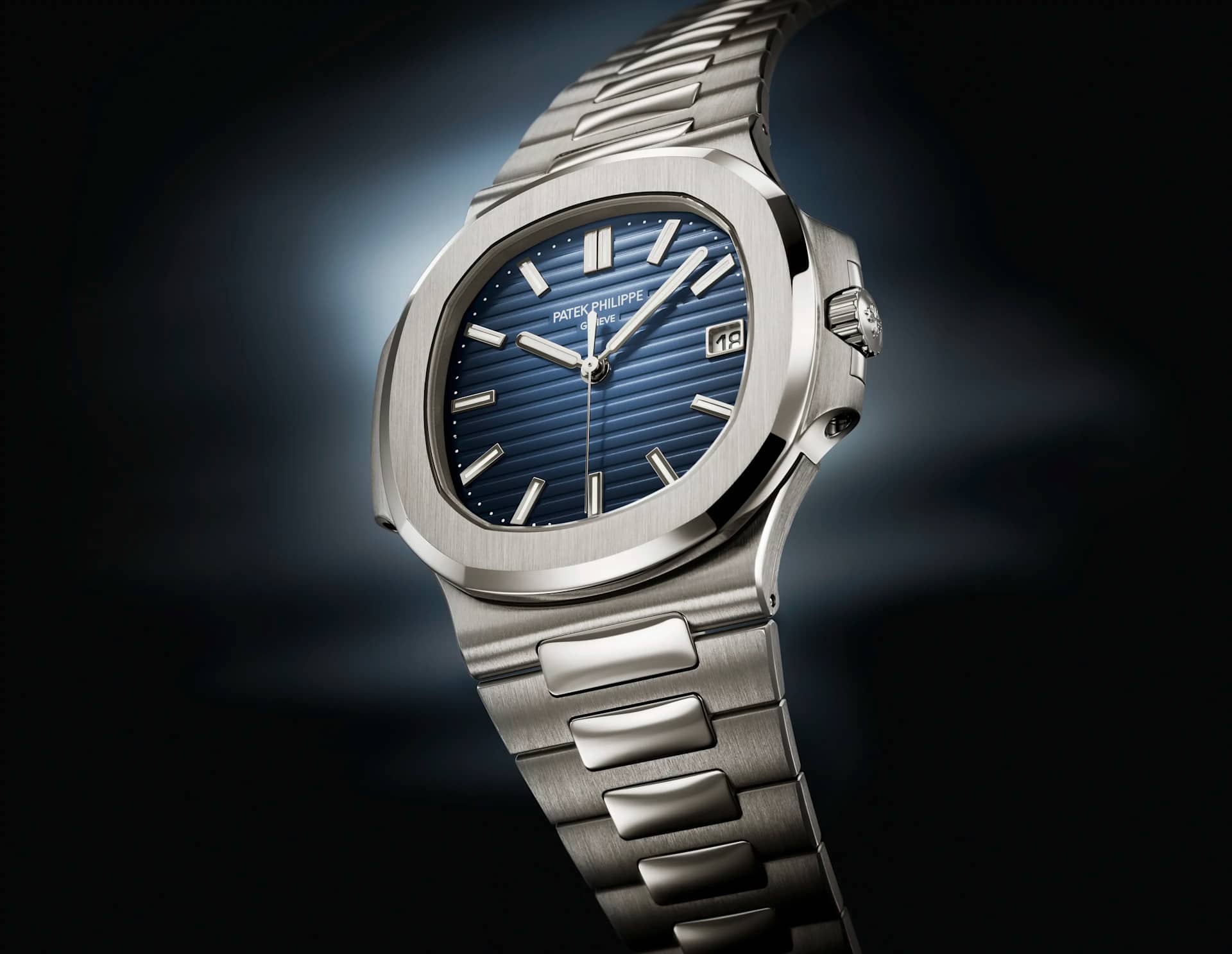
The launch of the Nautilus in 1976 created a very different public face for Patek Philippe. Its rounded octagonal bezel, horizontally embossed dial and case inspired by a ship’s porthole placed it firmly in the emerging category of high-end sports watches. The design did not resemble a Calatrava, and it was not meant to. Its importance lies in showing that the manufacture’s identity could survive outside the conventions of a thin round dress watch.
The Nautilus has since expanded into a broad collection that includes travel-time, chronograph and calendar complications. That variety also creates a serious editorial risk: Nautilus references are not visually interchangeable. Steel, rose-gold and white-gold models can share the family shape while differing materially in dial colour, case dimensions, bracelets and functions. A correct article therefore needs the reference first and the image second—not an image search for the word ‘Nautilus’ followed by whichever blue-dial result looks attractive.
Nautilus 5811/1G-001: an exact-reference example
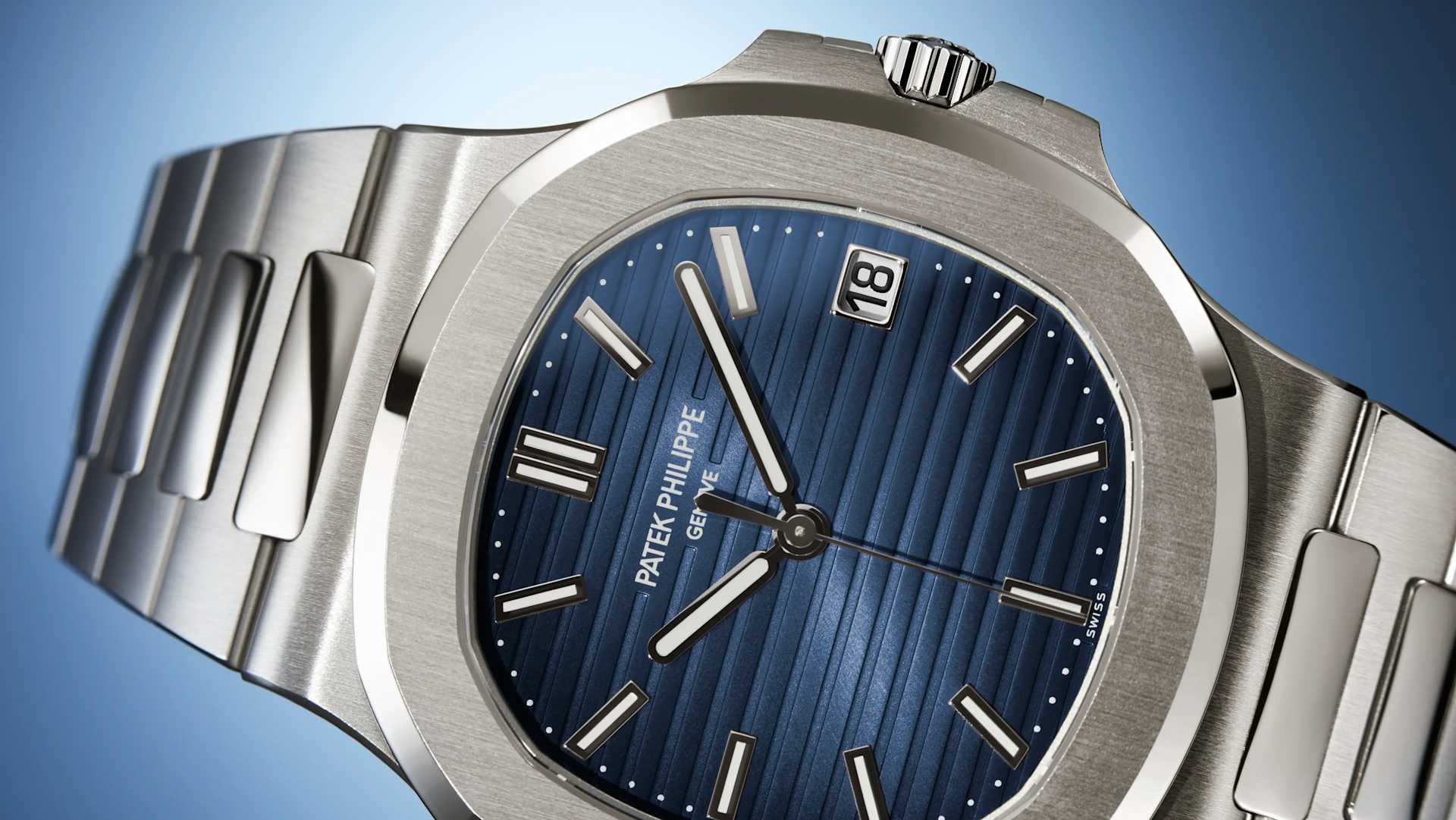
The watch shown here is the Nautilus Ref. 5811/1G-001. Patek Philippe specifies a white-gold case and bracelet, a sunburst blue dial with a black-gradient rim, horizontal embossing, a date aperture at three o’clock and sweep seconds. The two-part case measures 41 mm across and 8.2 mm thick. Contrasting polished and satin-brushed surfaces emphasise the geometry of the bezel, case and integrated bracelet.
Its self-winding 26-330 S C calibre includes a stop-seconds function and a stated power-reserve range of 35 to 45 hours. Again, precision matters. This is not a steel 5711/1A, not the rose-gold 5712/1R with moon phases, and not a gem-set 5811/1460G. Those watches belong to the same family but tell different technical and visual stories. Matching the 5811/1G-001 text to the official 5811/1G-001 image is a basic editorial requirement, not a cosmetic preference.
Manufacturing depth, the museum and independence
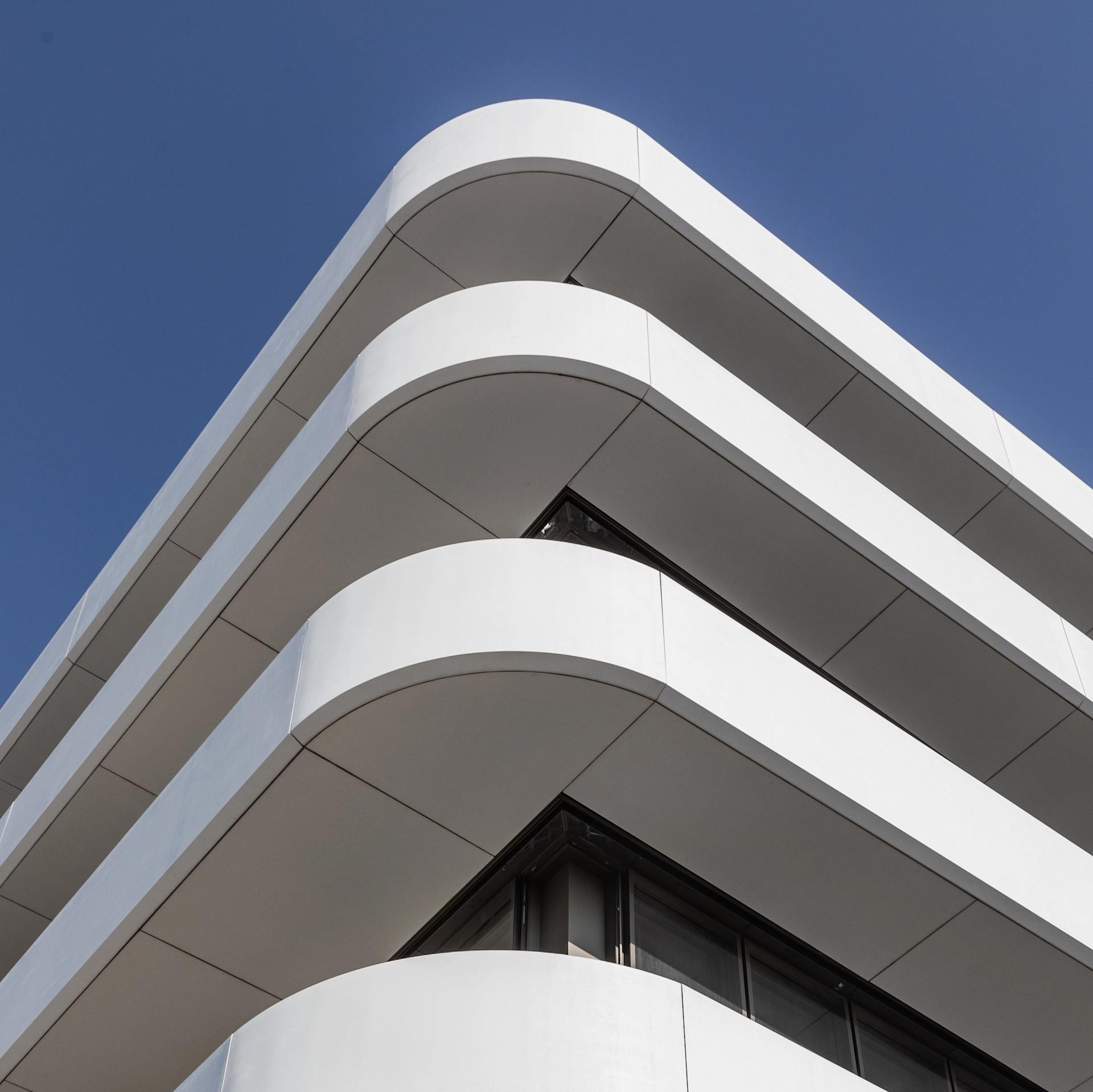
The watches sit within an increasingly integrated manufacturing structure. Patek Philippe centralised its manufacture and headquarters at Plan-les-Ouates in 1996, later adding facilities for cases, bracelets and movement components. The PP6 building, inaugurated in 2020, was designed to support further expansion and includes space for Rare Handcrafts and internal training. This investment helps explain what independence means in practice: not isolation, but control over more of the processes that determine the finished watch.
The Patek Philippe Museum provides the other half of that picture. Opened in Geneva in 2001, it houses roughly 2,500 pieces spanning centuries of timekeeping. It does more than display company products. By placing Patek Philippe watches within a wider history of horology, the museum makes the brand’s historical claims testable against real objects. It also connects the founder’s pocket watch, later wristwatches and contemporary production in a way that a slogan cannot.
Why the watches matter more than the mythology
Patek Philippe’s reputation is large enough to obscure the details. The useful response is not more mythology but closer attention: which reference is being discussed, what movement is inside it, which material and dial are present, and where the information came from. The founder’s No. 87, the Calatrava 6119G-001 and the Nautilus 5811/1G-001 belong to different centuries and serve different purposes, yet each demonstrates the manufacture’s preference for tightly controlled identity.
That is the thread running from the early Geneva partnership to the modern family-owned company. Patek Philippe has changed names, buildings, production methods and design languages. Its strongest watches make those changes visible without making the history feel disconnected. Seen together, they explain the brand more convincingly than prestige alone ever could.
Stay ahead of the next release
Get Man of the Hour’s weekly watch briefing, including new releases, thoughtful guides and the stories worth your time. Join the newsletter and follow Man of the Hour for more.