
A dive watch is far more than just a robust timepiece; it's a purpose-built instrument designed with specific functions to aid in timing. Among its most distinctive and crucial features are the rotating bezel and its water resistance rating. For enthusiasts and divers alike, understanding how to properly use and interpret these features is essential for both the watch's longevity and its practical utility, whether you're exploring the depths or simply timing your morning coffee.
Unlocking the Power of the Unidirectional Bezel
The rotating bezel on a dive watch is a marvel of simple, effective engineering for measuring elapsed time. Its design is intentionally straightforward, typically featuring a 60-minute scale and rotating in only one direction: counterclockwise. This unidirectional rotation is not merely a design quirk; it's a critical safety feature for divers. Should the bezel be accidentally knocked or moved during a dive, it would only ever indicate a longer elapsed time than actual, never a shorter one. As Seiko explicitly states, their rotating bezels are "designed to rotate only counterclockwise" to prevent displaying an elapsed time shorter than it actually is, underscoring its role as a vital safety mechanism.
Your Two-Step Guide to Elapsed Time
Using the bezel to measure elapsed time is a remarkably simple and intuitive process, making it accessible for quick calculations in any situation. It involves just two steps:
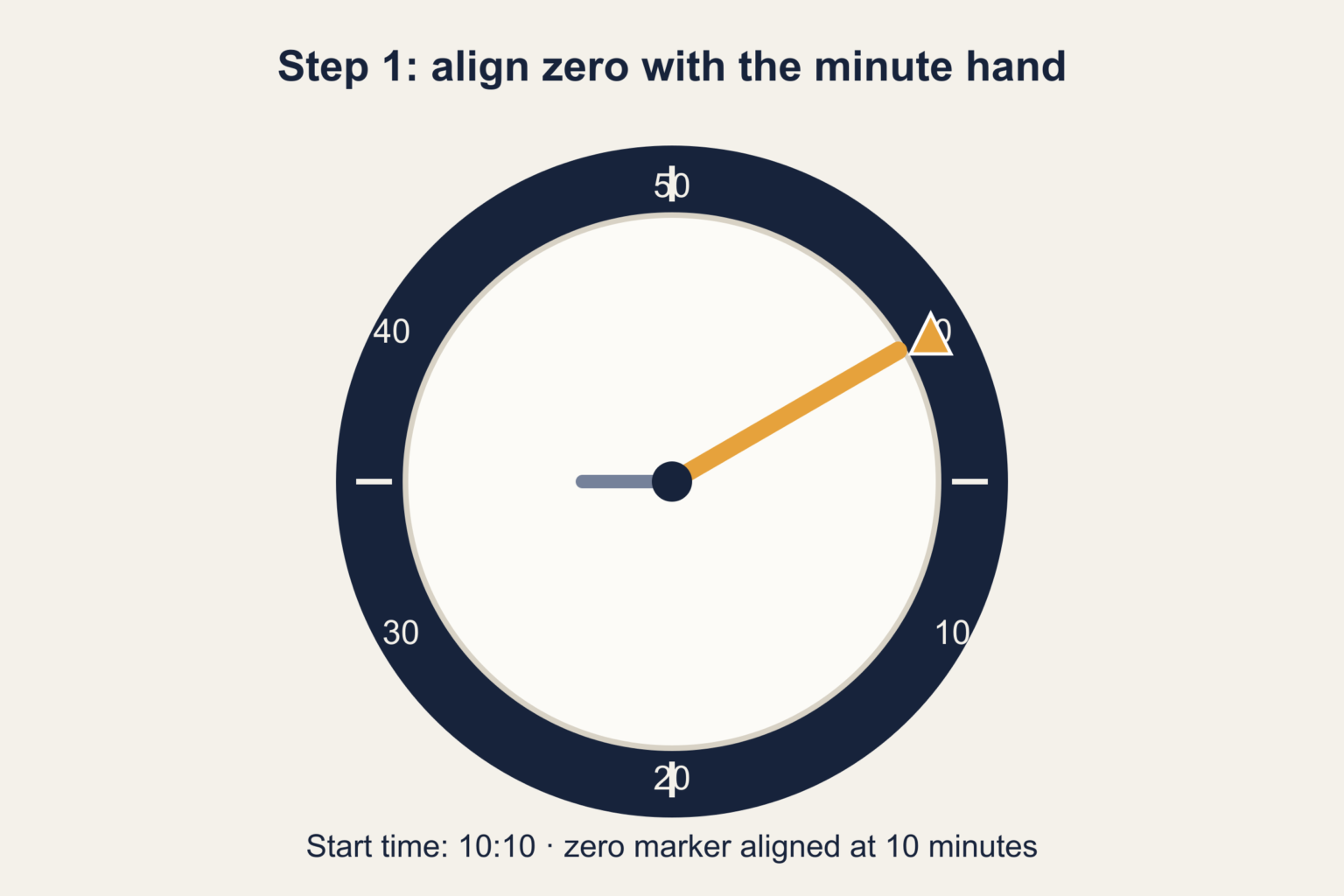
- Align the Mark: At the precise moment you wish to begin timing an event, rotate the bezel so that its zero or triangular mark aligns perfectly with the minute hand of your watch. This action effectively sets your starting point, marking the beginning of the timed interval.
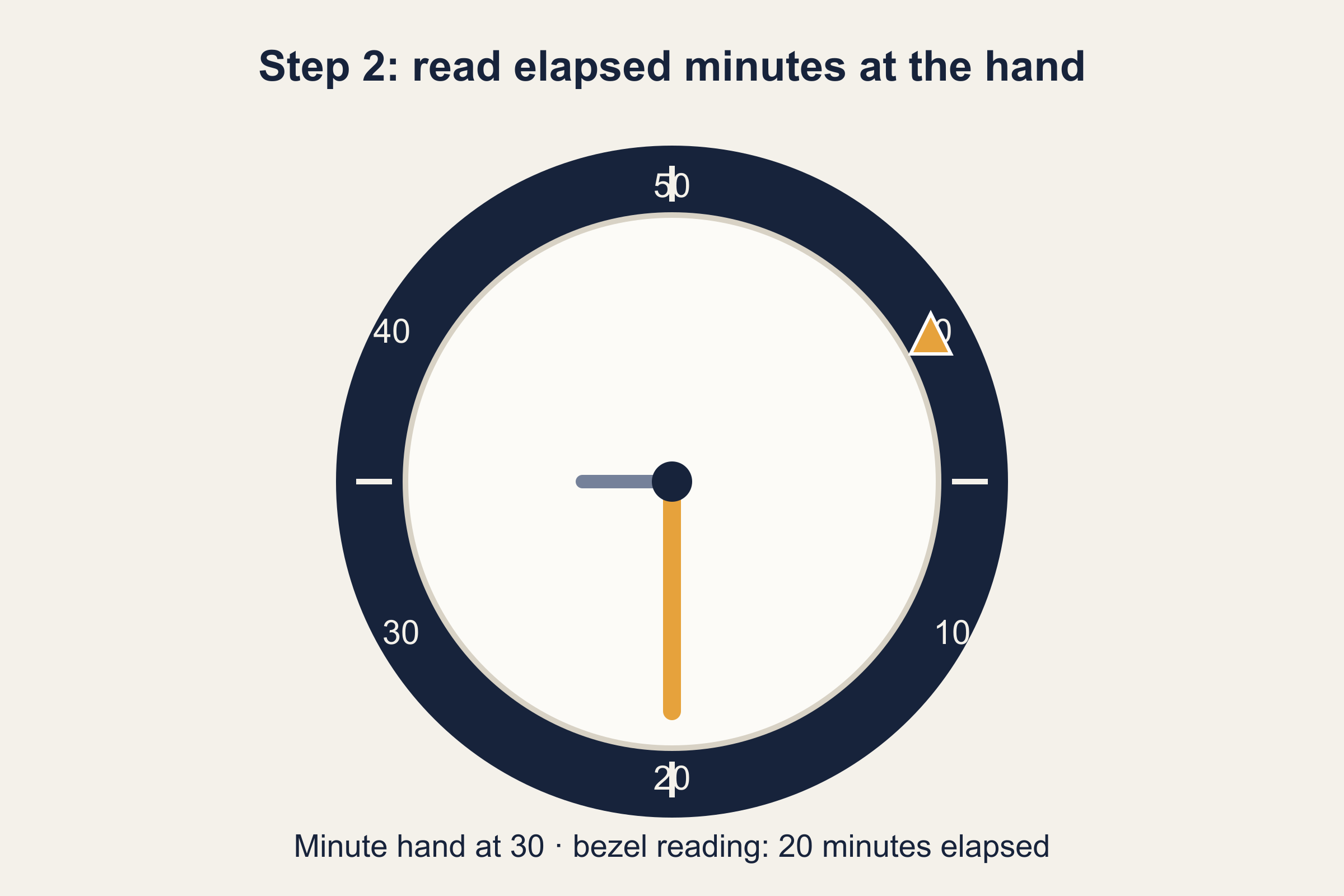
- Read the Elapsed Time: As time progresses, the minute hand continues its journey around the dial. To determine how much time has passed, simply observe the number on the bezel's scale that the minute hand is currently pointing to. This number directly indicates the number of minutes that have elapsed since you set the bezel. This method is intuitive and quick, making it invaluable for various timing needs, both underwater and in everyday situations. For divers, this function serves as a reliable guide for elapsed time, complementing other essential dive equipment like dive computers and gauges.
Beyond the Depths: Everyday Bezel Utility
While conceived and perfected for the demanding environment of diving, the unidirectional bezel offers a wealth of practical benefits in daily life. It's an excellent tool for timing tasks where absolute precision isn't paramount but knowing an approximate duration is incredibly helpful. Imagine using it to track the remaining time on a parking meter, monitor cooking times in the kitchen, time intervals during a workout, or even keep an eye on the duration of a meeting without needing to consult a phone or digital timer. Its robust construction and clear, legible markings make it easy to read at a glance, offering a tactile and satisfying alternative to interacting with pushers or digital displays. The inherent simplicity and durability of the dive watch's design extend its utility far beyond its original purpose, making it a versatile companion for the modern wearer. For those interested in the broader appeal of these timepieces, exploring The Design and Utility of the Modern Dive Watch offers further insight into their enduring charm and functionality.
Decoding Water Resistance Ratings
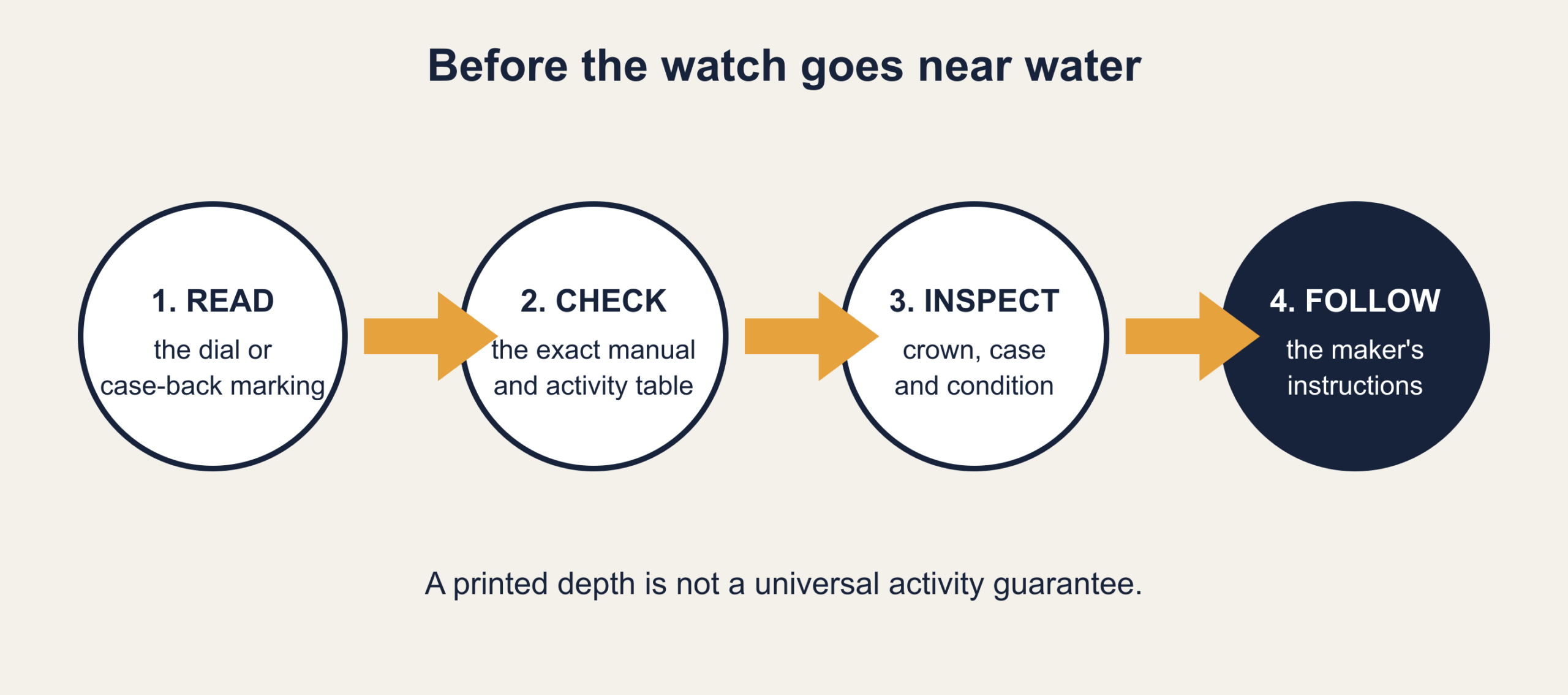
Water resistance is arguably the most fundamental characteristic of any dive watch, indicated by markings like "WATER RESIST" or "DIVER'S 200m" on the dial or case back. However, it's crucial to interpret these markings with a conservative and informed perspective. The numbers often represent static laboratory test conditions, which don't always translate directly to the dynamic pressures and stresses encountered in real-world aquatic activities.
What Water Resistance Markings Truly Signify
Watch manufacturers, such as Citizen, provide detailed guidance on what different water resistance levels imply for real-world use. It is crucial to understand that these ratings are based on static laboratory tests under controlled conditions. Dynamic activities like jumping into water, rapid temperature changes, and the natural aging of gaskets can all significantly affect a watch's actual water resistance over time, potentially compromising its integrity. For enthusiasts looking for reliable options that meet these standards, our guide to Best Dive Watches for First-Time Enthusiasts can provide valuable recommendations.
Preserving Your Watch's Water Resistance
To ensure your watch maintains its water resistance and continues to perform reliably, several precautions are necessary. Seiko advises against operating the crown or any buttons when the watch is wet, as this can create pathways for moisture ingress. Even for watches with high water resistance, avoid placing them directly under running water from a faucet; the localized pressure can be surprisingly high and potentially compromise seals. After using a water-resistant watch in seawater, it should always be thoroughly washed in fresh water and dried with a soft cloth. This rinsing should be done in still water, such as a sink or container, and never with the crown pulled out. Furthermore, avoid wearing your watch in baths or saunas, as the combination of steam, soap, or hot spring components can accelerate the deterioration of critical gaskets and seals, thereby reducing water resistance over time. Regular checks of your watch's water resistance by a qualified professional are highly recommended to ensure its long-term functionality and integrity.
What a Dive Watch Can — and Cannot — Do
While a dive watch is an incredibly robust and reliable instrument, it is imperative to remember that it is never a substitute for proper dive training, meticulous planning, or essential modern dive equipment such as dive computers and pressure gauges. Its bezel provides a useful secondary timing reference, offering an analog backup or a quick check, but all critical dive calculations, decompression limits, and safety protocols must always rely on primary instruments and established diving practices. Always prioritize safety, adhere strictly to certified diving guidelines, and ensure you are properly trained and equipped for any underwater adventure. For a closer look at specific models that exemplify dive watch excellence, you might find our review of the Seiko Prospex SPB453J1 Dive Watch interesting.
By understanding and respecting the capabilities and inherent limitations of your dive watch's bezel and water resistance, you can enjoy its functionality safely and effectively, whether you're timing a casual event on land or embarking on an underwater exploration. This knowledge empowers you to get the most out of your timepiece, ensuring it remains a trusted companion for years to come.
The Limits That Still Matter
A watch and its bezel do not replace dive training, dive planning, gauges or a dive computer.
Related reading
- The Complete Guide to Dive Watches
- Best Dive Watches for First-Time Enthusiasts
- Seiko Prospex SPB453J1 Dive Watch
Written by the Man of the Hour Editorial Team.