
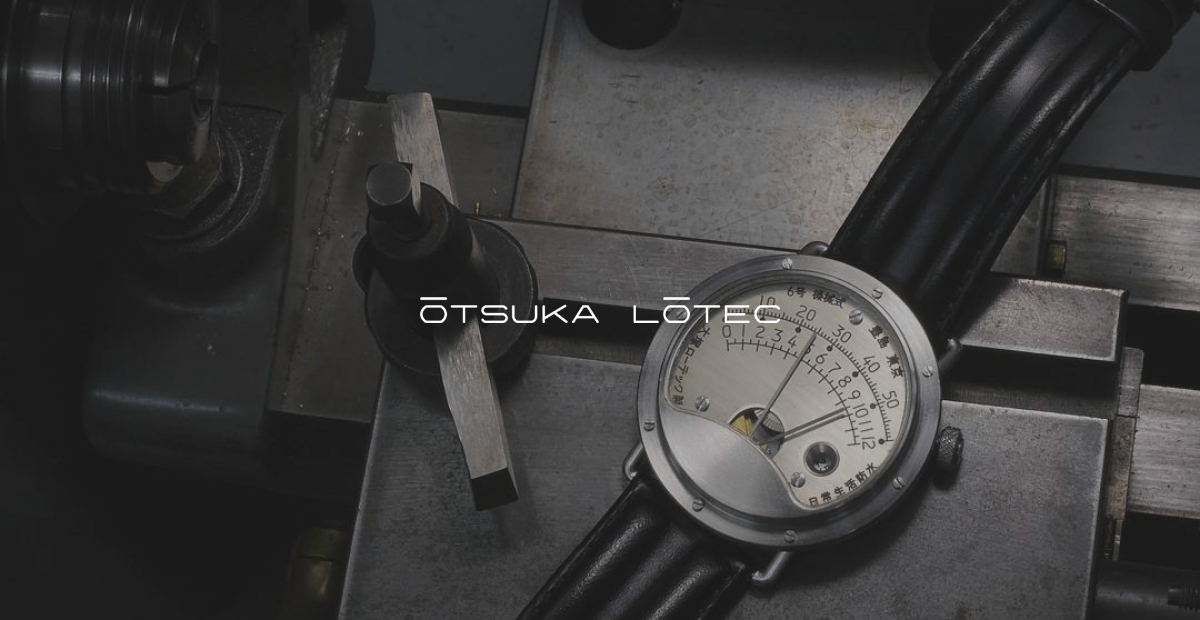
For many watch enthusiasts, the journey of collecting eventually leads to a search for something truly unique—a timepiece that defies conventional aesthetics and showcases genuine horological ingenuity. In this pursuit, independent watchmakers often emerge as beacons of innovation, pushing boundaries and offering distinct visions. Among them, Ōtsuka Lōtec, a brand born from the workshop of self-taught watchmaker Jiro Katayama in Tokyo, stands out as a compelling example of how a different playbook can lead to deeply resonant creations. His watches, exemplified by models like the Ōtsuka Lōtec No. 8, offer a fascinating blend of industrial design, mechanical prowess, and an unapologetically individualistic spirit.
Beyond the Traditional: The Ōtsuka Lōtec Philosophy
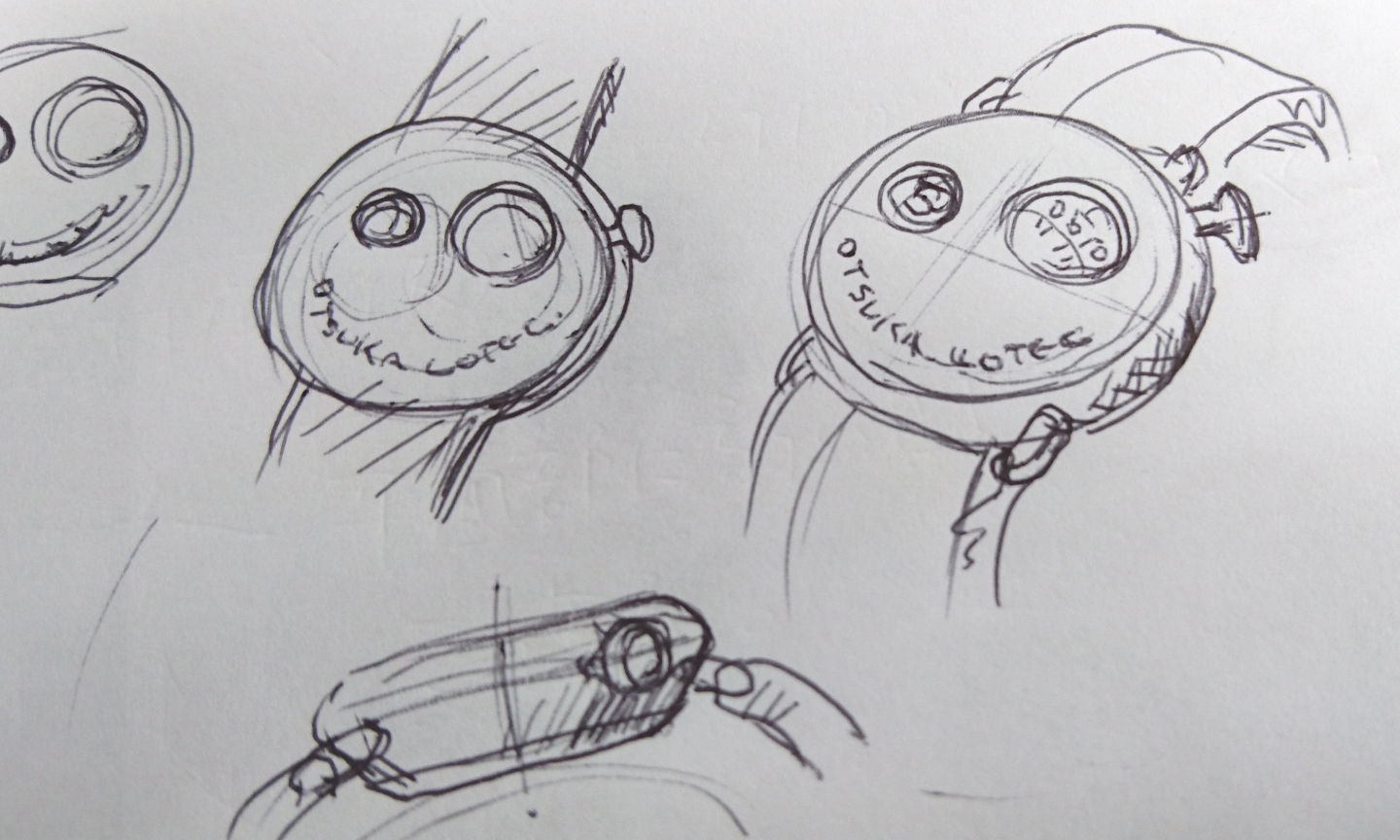
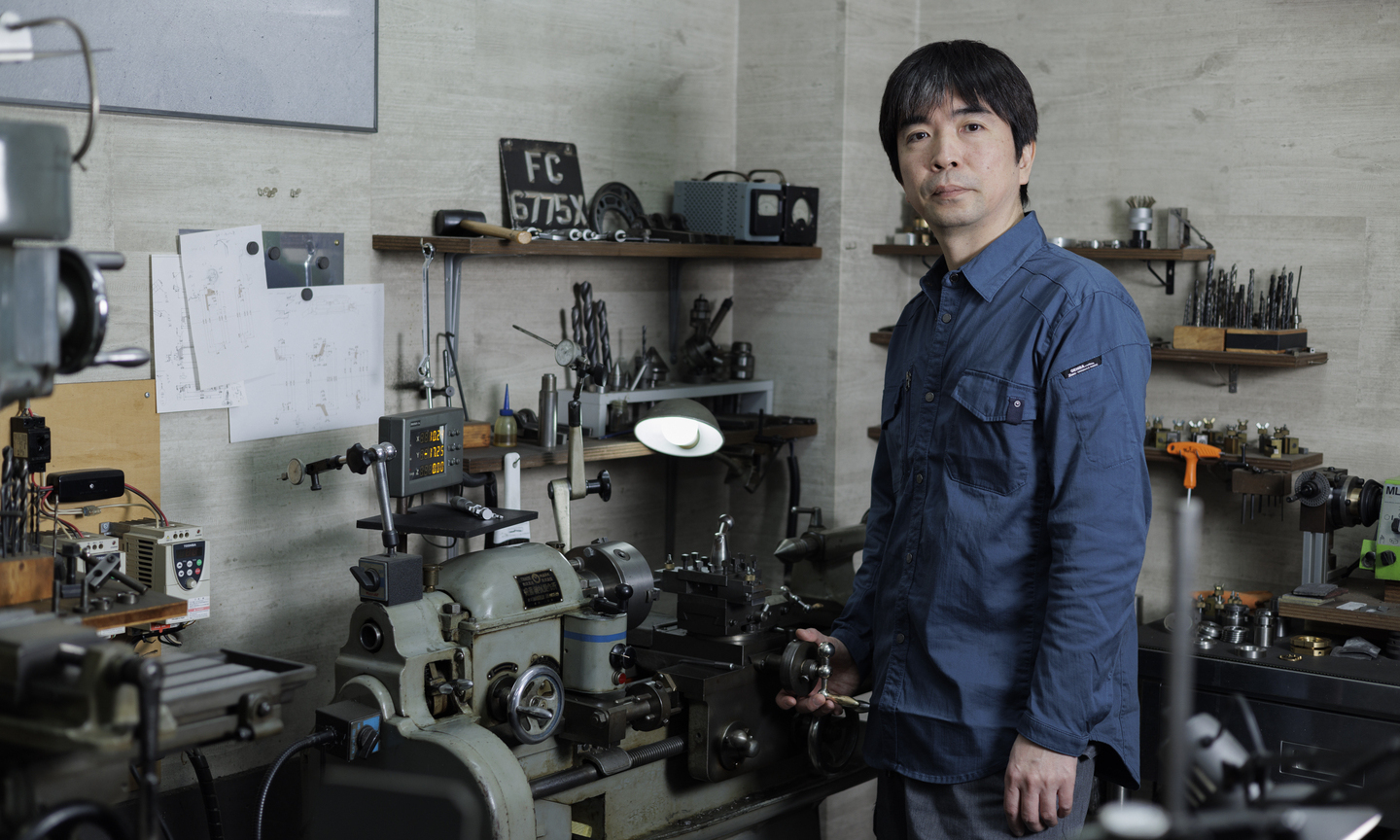
Jiro Katayama's journey into watchmaking is as unconventional as his designs. A graduate of design school with a background in automotive and product design, he began crafting watches around 2008 after acquiring a bench lathe. This self-taught approach, unburdened by traditional horological lineage, allowed him to develop a unique aesthetic rooted in his personal inspirations. Katayama seeks beauty in the raw and industrial, drawing heavily from analog machines, measuring instruments, gauges, and the pre-digital age. His philosophy embraces the presence of objects processed from steel plate or cast metal, assembled with screws, valuing their robust weight and simple, warm forms over integrally molded resin or cutting-edge touch panel interactions. This results in watches where surfaces are typically raw, brushed metal, and rarely painted, creating a deliberate, almost rough, yet entirely intentional aesthetic that sets them apart from the neoclassical elegance often found in more traditional brands.
Engineering Ingenuity: Complications and Construction
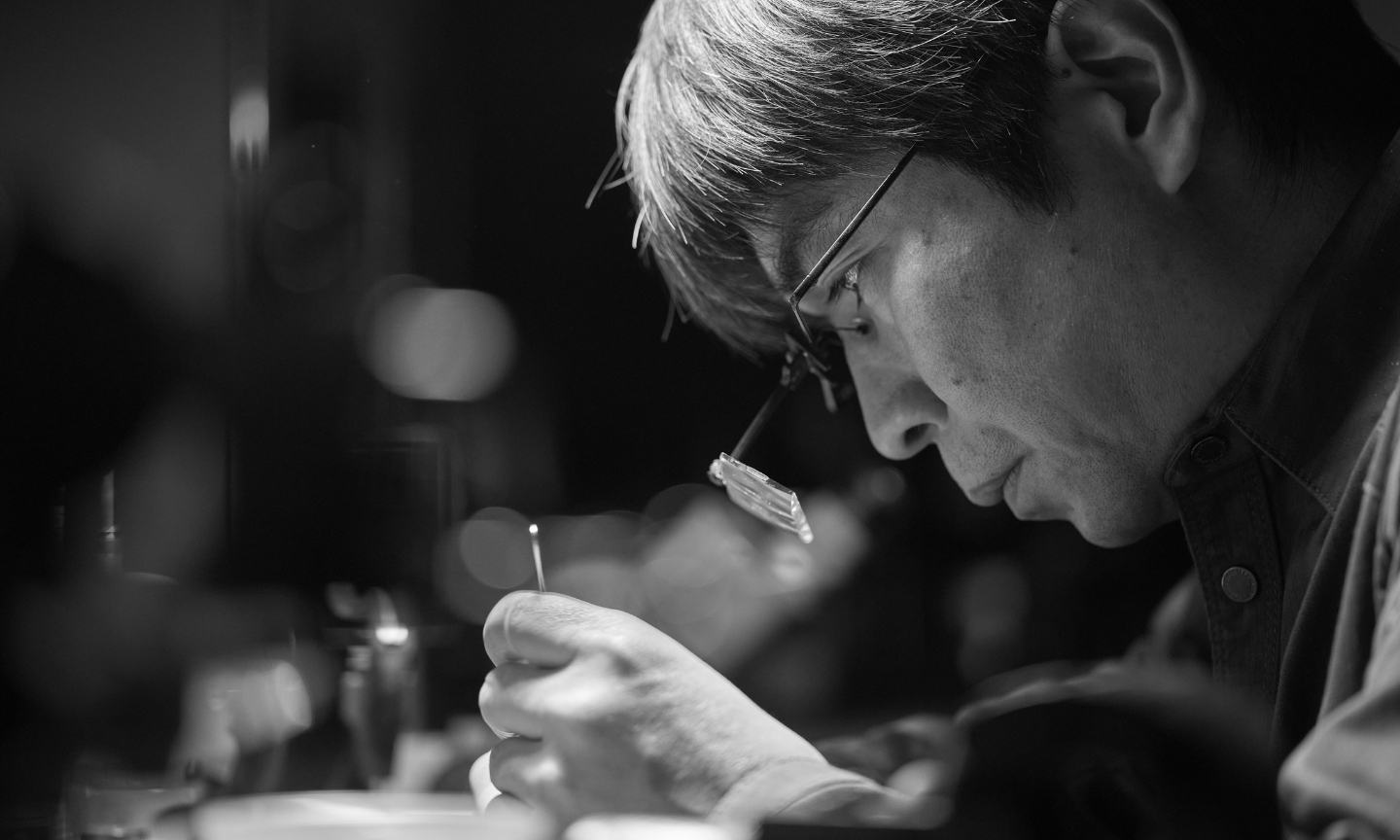
What truly elevates Ōtsuka Lōtec beyond a unique design perspective is its horological prowess, achieved through ingenious mechanical solutions. While the brand's watches, with the exception of the fully in-house No. 9, are built on reliable Miyota base movements, such as the relatively thin 90S5 found in the No. 8, they are transformed by in-house developed complications. Jiro Katayama designs and engineers these intricate modules in his own workshop, with manufacturing handled by Precision Watch Tokyo, a company founded by esteemed Japanese watchmaker Hajime Asaoka. This collaboration of Katayama's ingenuity and Asaoka's pedigree imbues the watches with an horological X-factor that is rare at their price point.
The Ōtsuka Lōtec No. 8, for instance, features a module comprising 62 components, including two micro ball bearings. It displays time in an alternative, regulator-style fashion, separating the hours, minutes, and seconds. The seconds are indicated by a disk that runs counterclockwise and completes one rotation every 90 seconds. The minutes are read via a sliding indicator on a retrograde track, moving across a 120-degree arc, making it easiest to discern to the nearest five-minute interval. The hours are told by a large hand that jumps precisely at the top of each hour, a rare and captivating complication. These jumping and retrograde mechanisms, while visually engaging, do require additional power, which explains the No. 8's power reserve of 32 hours, a reduction from the typical 42 hours of the base Miyota movement. Operationally, the watch requires setting the time forward only, a common characteristic of timepieces with such complex jump and retrograde complications.
A Study in Industrial Aesthetics: The No. 8's Design Language
The No. 8's design is a direct manifestation of Katayama's industrial inspiration, particularly analog mixing consoles found in recording studios. Its stainless steel case measures 31mm wide, 47.7mm lug-to-lug, and 10.8mm in height. From above, it presents as a long, flat, yet somewhat narrow rectangle. From the side, the case tapers down towards the wrist, creating substantial metal surfaces that lead to small lugs. The entire case is vertically brushed, contributing to its blunt, purposeful character. The top edges are rounded with a large radius, evoking the feel of sheet metal molded over a form.
Perhaps the most striking feature is the complex sapphire crystal. This wide rectangle covers most of the case's flat top, but its right side takes an unusual turn, creating a radiused corner that matches the case and then drops a couple of millimeters, ending about 40% down the case's side. This intricate, milled-from-a-single-block crystal is a significant visual element, though its complex sealing likely contributes to the 30m water resistance. The crown, angled on the right side with a knurled edge and undercut, further reinforces the industrial aesthetic. The
Written by Man of the Hour.