
For many watch enthusiasts, the journey into collecting begins with a clear set of principles: specifications, build quality, and price-to-performance ratios. Yet, as collections mature and tastes evolve, these initial benchmarks often give way to more nuanced, and sometimes contradictory, considerations. The debate over what truly constitutes 'value' in a timepiece is rarely settled by numbers alone; it is frequently shaped by intangible factors like brand narrative, historical significance, and perceived provenance. This dynamic often leads to situations where a watch dismissed as an overpriced 'cash grab' at one price point is enthusiastically embraced at a significantly higher one, simply because a different story is attached. This phenomenon underscores a fundamental truth in horology: value is often less about objective metrics and more about the stories we tell ourselves, and are told, about a particular brand or model. It's a complex interplay of history, marketing, and personal connection that ultimately defines a watch's worth in the eyes of a collector.
The Irresistible Pull of a Storied Past
Provenance, or the historical record of a watch and its maker, holds a powerful sway over collectors. It speaks to a brand's legacy, its contributions to horological innovation, and its place in history. For many, owning a piece from a brand with a deep, storied past is not just about the object itself, but about connecting to that narrative. This connection can elevate a watch beyond its material components, imbuing it with a sense of significance that justifies a premium price. The idea that a brand 'invented' a particular complication or design element is often cited as a definitive reason for its perceived superiority, even if other brands have since refined or popularized similar concepts. This emotional resonance with a brand's heritage often outweighs purely technical considerations, transforming a timepiece from a mere instrument into a tangible piece of history.
When Heritage Becomes a Selective Narrative
While heritage is a potent force, its application can be highly selective. A brand's long history might be celebrated for one model, while another model from the same brand, perhaps with a less direct lineage to a specific historical event, might be scrutinized more harshly on its contemporary merits. This inconsistency highlights how 'heritage' often functions as a narrative tool rather than a consistent measure of a brand's entire output. Collectors might champion a brand's early innovations in one breath, and in the next, dismiss its more recent offerings if they do not align with a preconceived notion of what that brand 'should' be, especially concerning price. This selective appreciation can create a double standard, where certain historical achievements are lauded to justify high prices, while other equally significant contributions are overlooked if they don't fit the prevailing market narrative or brand image.
Seiko's Deep Roots in Watchmaking Innovation
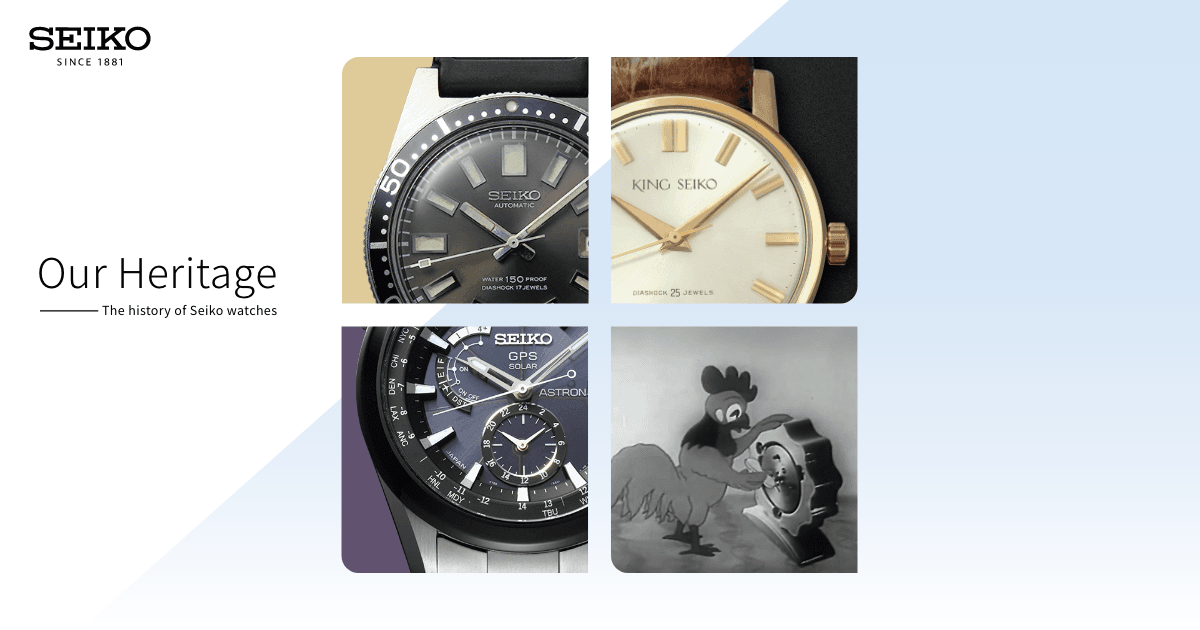
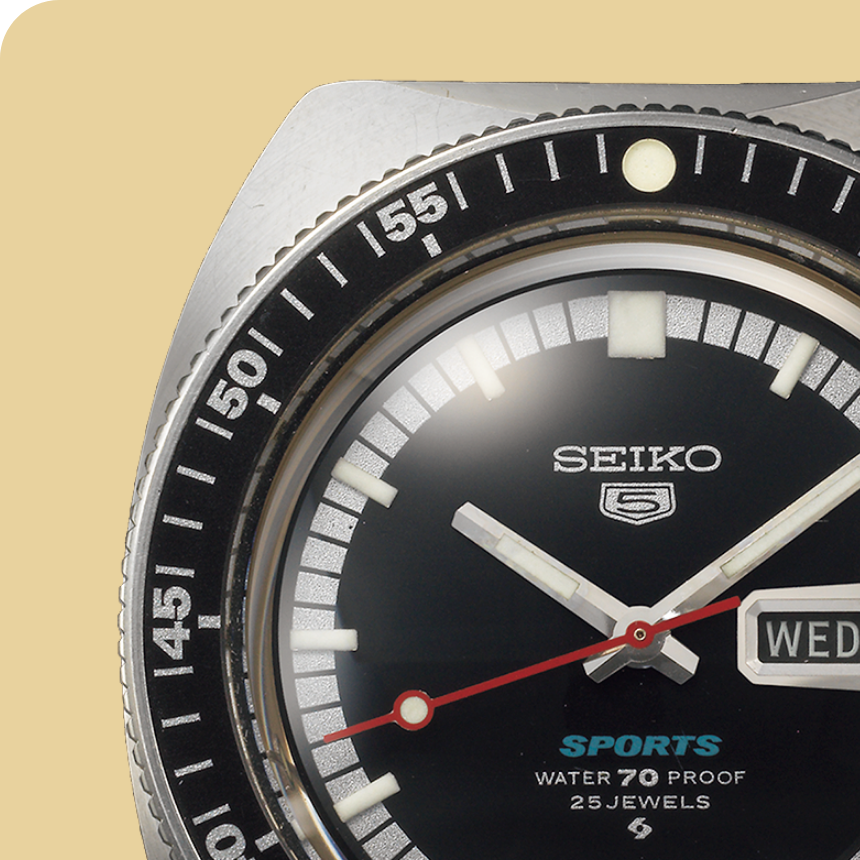
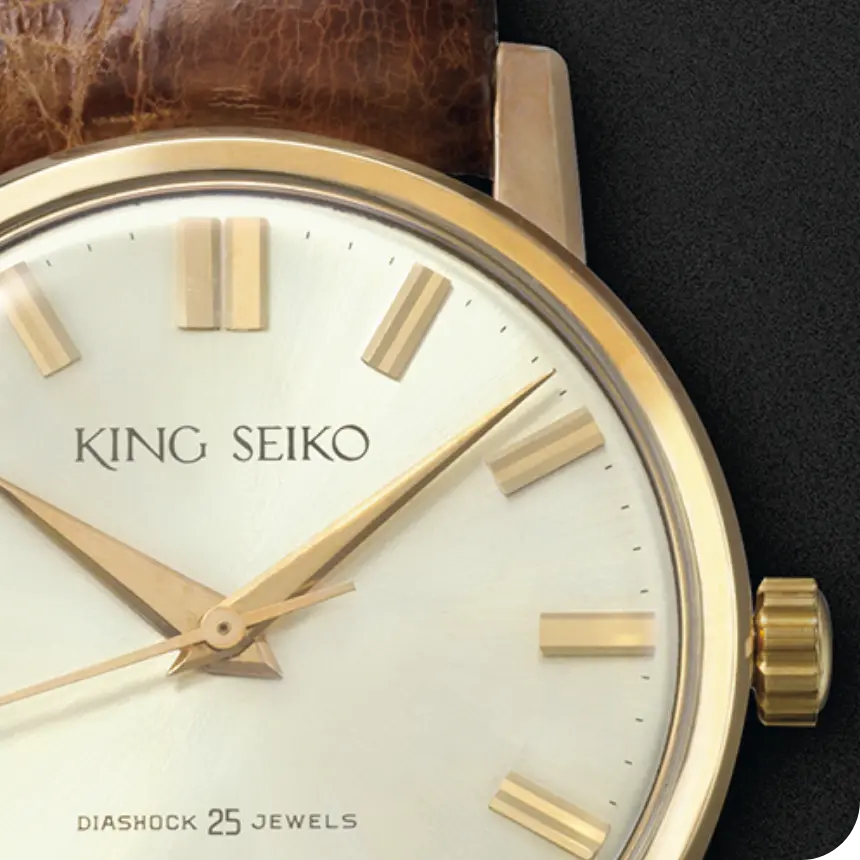
Consider the historical contributions of Seiko, a brand whose extensive heritage is sometimes overlooked in certain discussions. The company's origins trace back to 1881, when Kintaro Hattori opened a shop in Tokyo. By 1892, he established Seikosha to produce wall clocks, and in 1895, the company created its first pocket watch, the Timekeeper. A significant milestone arrived in 1913 with the Laurel, Japan's first wristwatch. The brand name 'Seiko' itself first appeared on a wristwatch in 1924, following the Great Kanto Earthquake, symbolizing a fresh start. Throughout the 20th century, Seiko was responsible for numerous innovations, including Japan's first self-winding watch, the Automatic, in 1956, and the development of the Diashock shock-resistance device in 1958. The company introduced the proprietary Magic Lever self-winding system in 1959, still used in many Seiko automatic watches today.

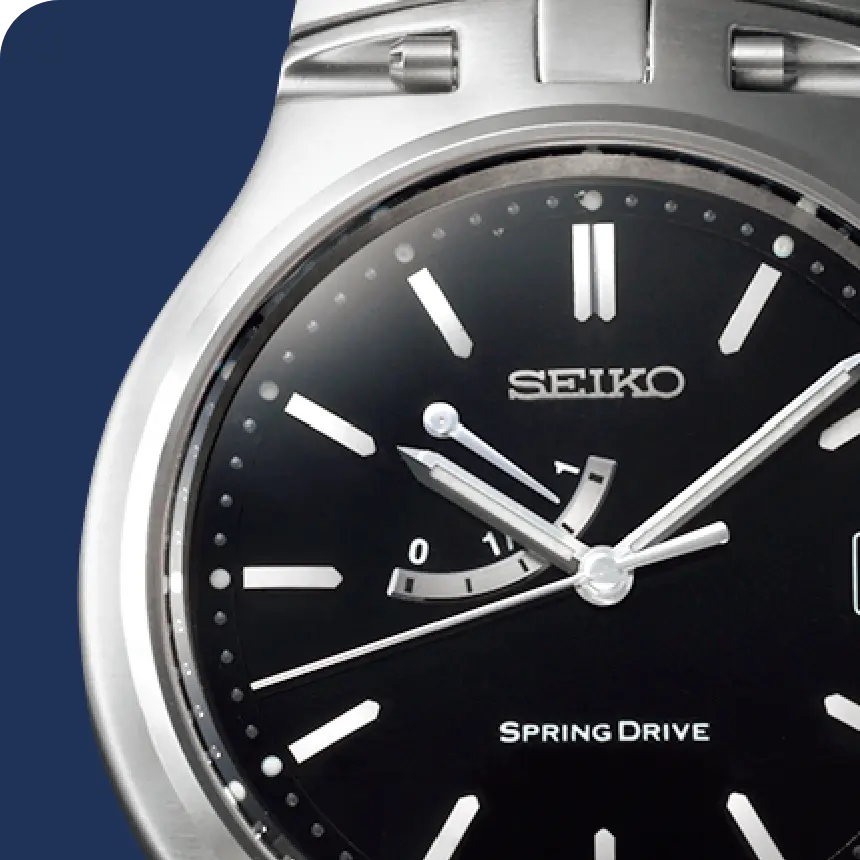
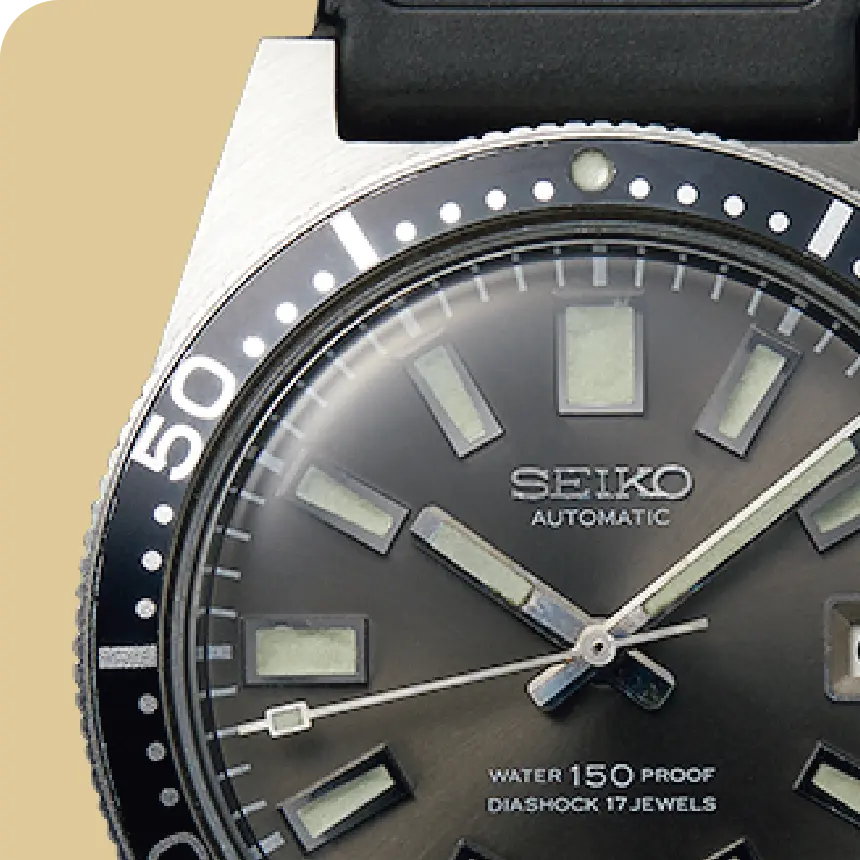
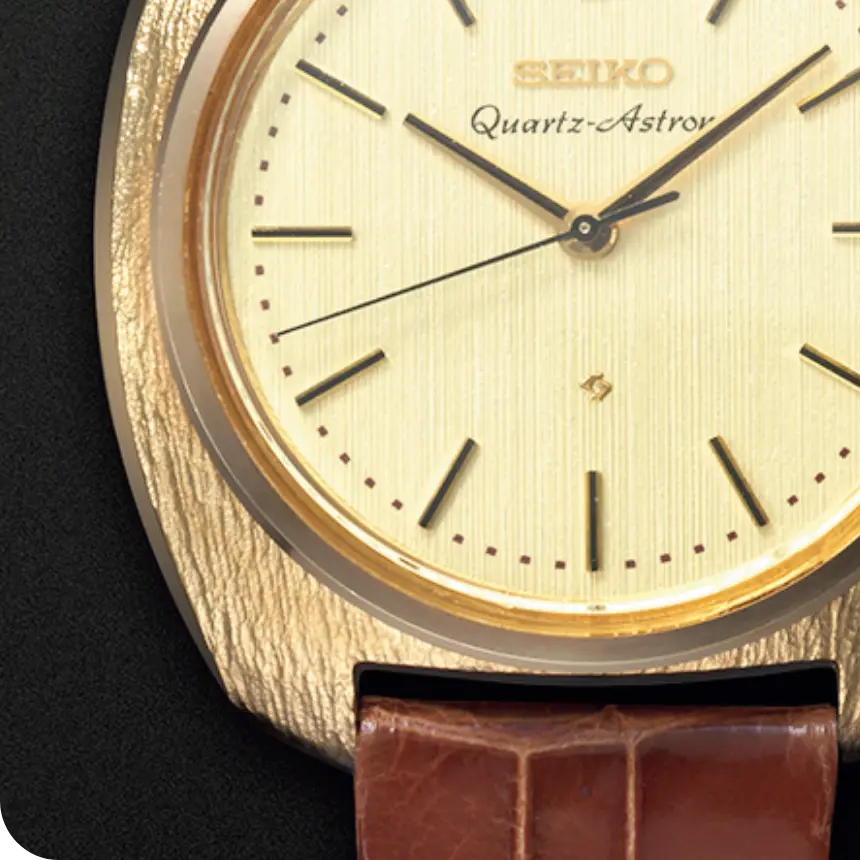
In 1960, Grand Seiko was launched, aiming to create the best watch the company was capable of, meeting chronometer standards of its time. The first Japanese diver's watch was released by Seiko in 1965, water-resistant to 150 meters. Perhaps most famously, Seiko revolutionized the industry in 1969 with the Quartz Astron, the world's first quartz wristwatch, and openly disclosed its proprietary technologies. This rich tapestry of innovation and pioneering spirit demonstrates a heritage as deep and impactful as any in watchmaking, yet it is sometimes overlooked or undervalued in certain discussions, particularly when compared to European counterparts.
The Psychological Impact of a Watch's Price Tag
The price of a watch often acts as a significant psychological anchor, shaping perception long before a watch is ever handled. A higher price can implicitly suggest superior quality, exclusivity, and a deeper connection to heritage, even if the objective differences in manufacturing or materials are not immediately apparent or proportional to the cost increase. Conversely, a watch perceived as 'expensive for its brand' can trigger skepticism, leading some to label it a 'cash grab' without fully appreciating the underlying design, finishing, or specific historical callbacks it might embody. This phenomenon highlights that 'value' is not a fixed metric but a subjective assessment heavily influenced by brand positioning and market expectations. The perceived value can shift dramatically based on how a brand is marketed, its historical narrative, and the price point it occupies within the broader market.
The Intangible Allure of Brand Storytelling
Beyond mere historical facts, the way a brand tells its story plays a crucial role in shaping perceived value. A compelling narrative, whether it's about pioneering exploration, military service, or artistic craftsmanship, can imbue a watch with an emotional weight that transcends its material components. This storytelling transforms a functional object into a symbol, a piece of a larger cultural or historical tapestry. Collectors often buy into this narrative as much as, if not more than, the watch itself. The ability of a brand to consistently weave a captivating story around its products, connecting them to significant moments or figures, is a powerful driver of desirability and, consequently, perceived value, even when objective specifications might suggest otherwise. This emotional connection is a cornerstone of luxury watch collecting.
Navigating the Subjective Landscape of Watch Value
Ultimately, the concept of 'value' in watch collecting remains deeply personal and subjective. While specifications and price-to-performance ratios provide a starting point, the true measure of a watch's worth often lies in its intangible qualities: its heritage, the stories it tells, and the emotional connection it fosters. The contradictions observed among enthusiasts, where a watch is dismissed at one price point but embraced at another due to a revised narrative, underscore this fluidity. It's a reminder that in the world of horology, the heart often dictates what the mind perceives as valuable, making the journey of collecting a fascinating exploration of personal taste, historical appreciation, and the powerful influence of brand narrative. Understanding this dynamic allows collectors to appreciate the diverse motivations that drive purchasing decisions, moving beyond a purely objective assessment to embrace the rich, subjective tapestry of watch culture.
Written by the Man of the Hour Editorial Team.