

Choosing a watch from Gerald Charles means engaging with a design legacy rooted in the work of Gérald Genta, carried forward by the brand's contemporary vision. The company's offerings, particularly the Maestro and Masterlink collections, present distinct aesthetic and technical propositions. Understanding the differences between these lines is key to selecting a timepiece that resonates with your personal style and collecting priorities.
The Gerald Charles Design Philosophy
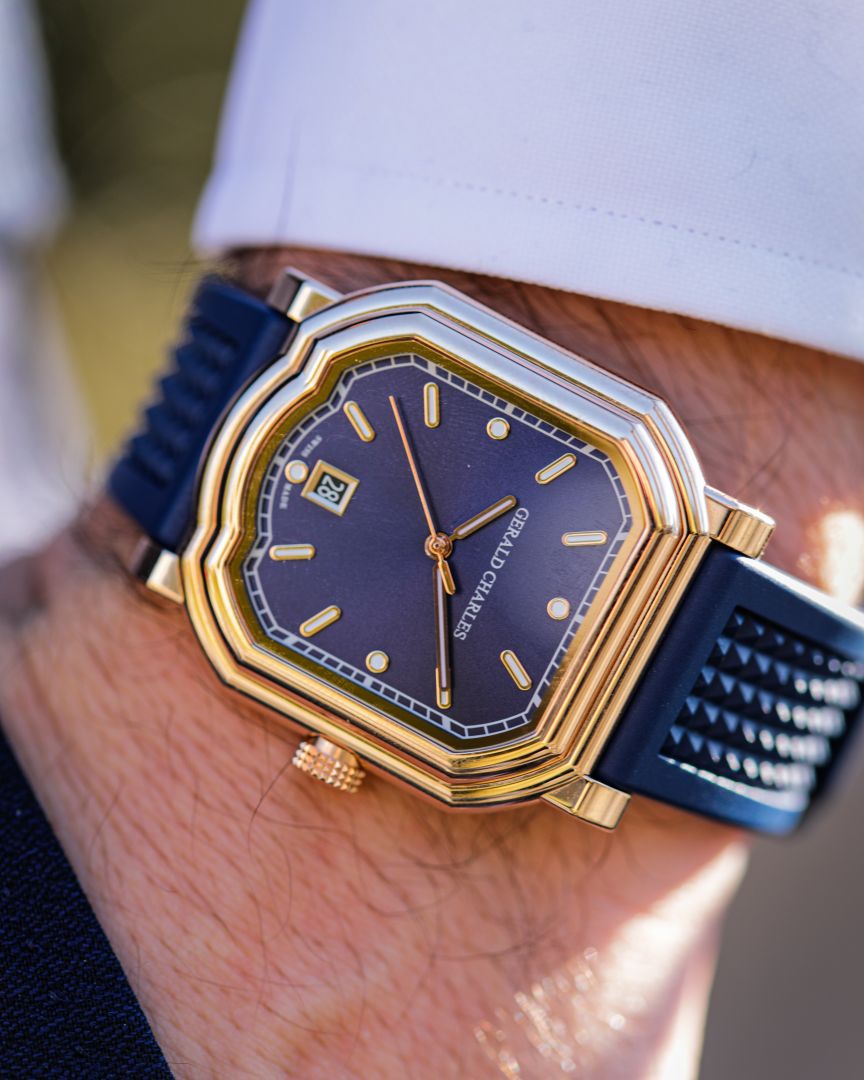
Gerald Charles, founded by Gérald Genta in 2000, maintains an approach that prioritizes rarity and excellence. The brand's creations are characterized by an unmistakable geometry, often featuring an asymmetrical case shape. This design language, born from Genta's sketches, aims to combine technology with aesthetics, offering timepieces that are both visually distinctive and technically refined. The brand emphasizes Swiss precision, working with specialists to ensure each caliber unites innovation, refined finishing, and resilience. Every dial and case is the result of meticulous craftsmanship, designed for comfort and durability on the wrist.
Understanding the Maestro Case
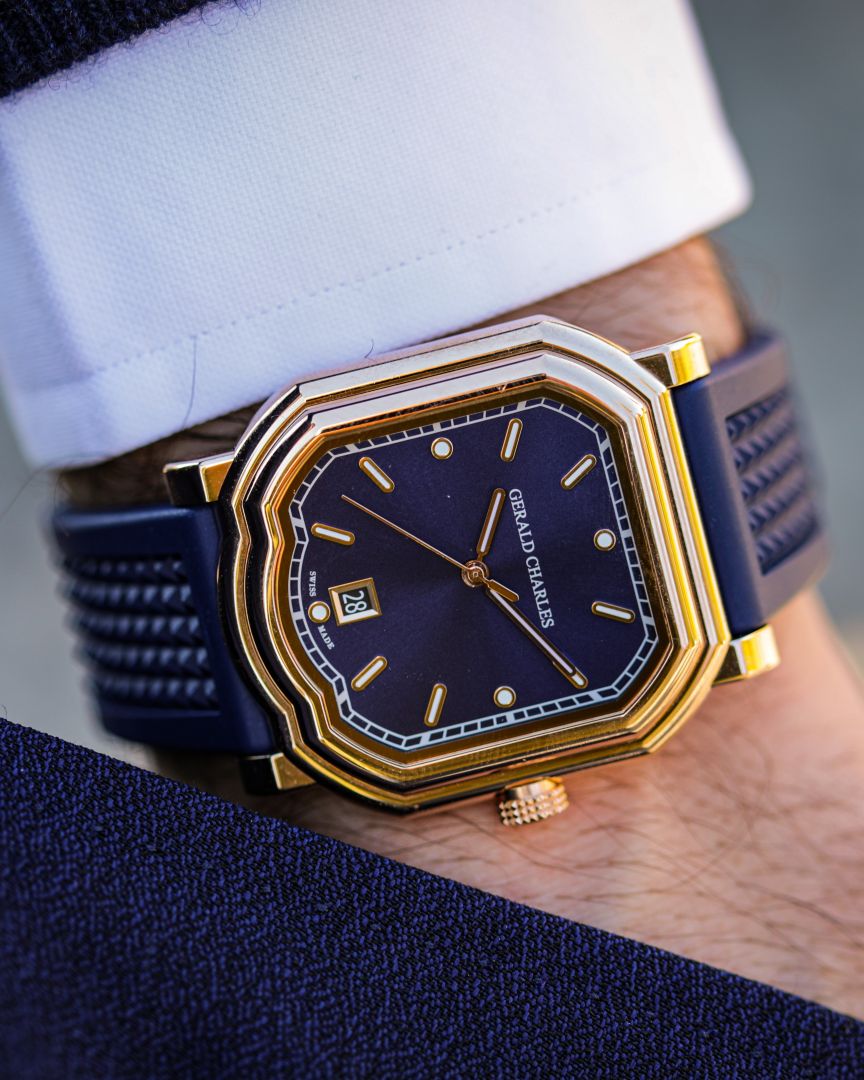
The Maestro case is the foundational design for Gerald Charles. It embodies the brand's signature asymmetrical form, a vision of artistic creativity and technical mastery. This shape is often described as a blend of baroque architecture and Swiss precision. Watches in the Maestro collection typically feature this distinctive case, which sets them apart visually. The Maestro case is designed to be ergonomic, conforming naturally to the wrist, and crafted for durability. This original design is a direct link to Genta's artistic legacy, offering a bold statement for those who appreciate unique horological architecture.
The Masterlink Evolution
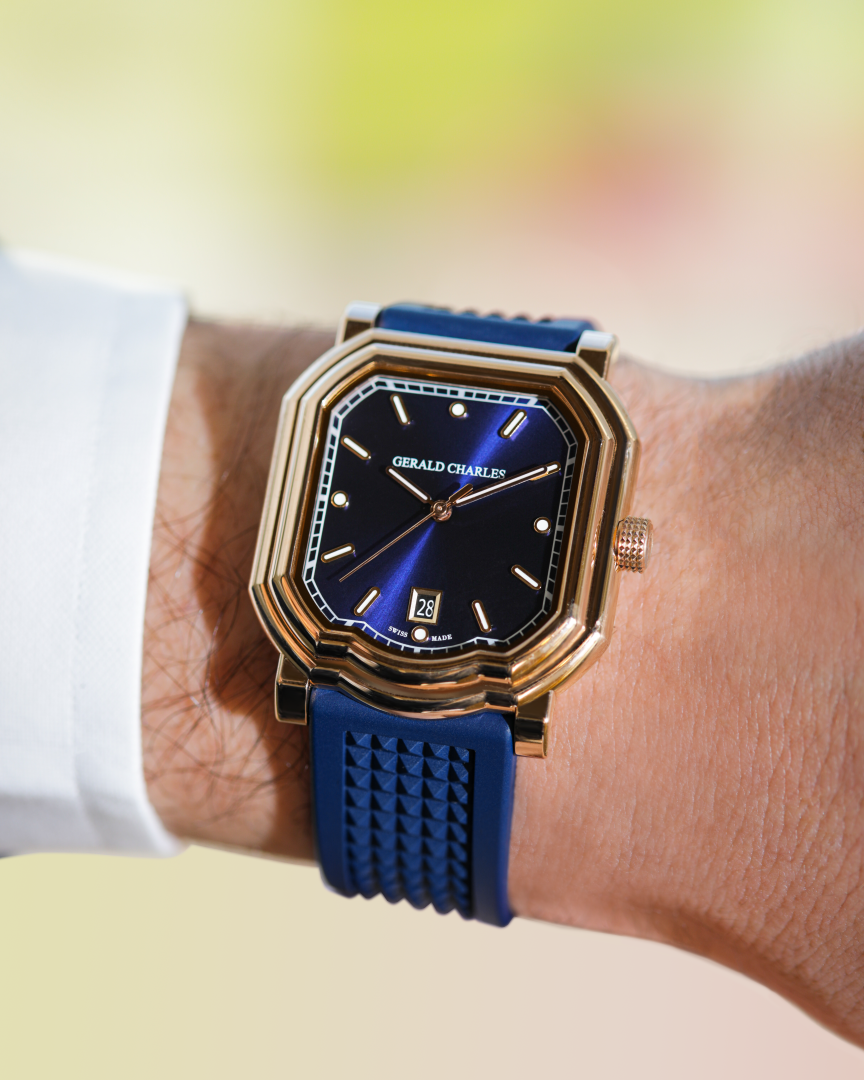
The Masterlink collection represents an evolution of the Maestro case concept, adapting its distinctive shape into a version with an integrated bracelet. This design merges heritage with contemporary elegance, creating a sleek profile. The Masterlink case maintains the brand's unique aesthetic while offering a cohesive look with its integrated bracelet. The three-hand Masterlink case measures 38mm wide and approximately 8mm thick, making it a highly wearable option. This collection appeals to those who seek the brand's iconic design language in a more integrated, streamlined form factor, often with a focus on everyday wearability and comfort.
Gerald Charles Masterlink Perpetual Calendar

For those seeking advanced complications within the Masterlink design, the Masterlink Perpetual Calendar offers a sophisticated option. This model features an asymmetrical automatic perpetual calendar movement, a significant horological achievement for the brand. The case for the Masterlink Perpetual Calendar is slightly larger than the three-hand Masterlink, measuring 40mm wide and 10mm thick, yet it remains very wearable. Notably, it offers 100 meters of water resistance with a screw-down crown, an uncommon feature for watches in this category. The dial is protected by an AR-coated sapphire crystal, with another sapphire crystal on the caseback. The movement, caliber GCA11000, is an automatic micro-rotor mechanism operating at 3Hz with a 50-hour power reserve. It is shaped to fit the Masterlink case, demonstrating a high level of design cohesion. The perpetual calendar display is designed for legibility, presenting day, month, and date information clearly, alongside a moon phase indicator. The leap year indicator is subtly integrated, appearing as a small window between January and March on the month wheel. The Masterlink Perpetual Calendar is available in versions such as the Fumé Dial, which features a smoked-gray gradient dial with vertical line texturing, and a Sapphire Dial version that offers a transparent view of the movement.
Material and Finishing Considerations
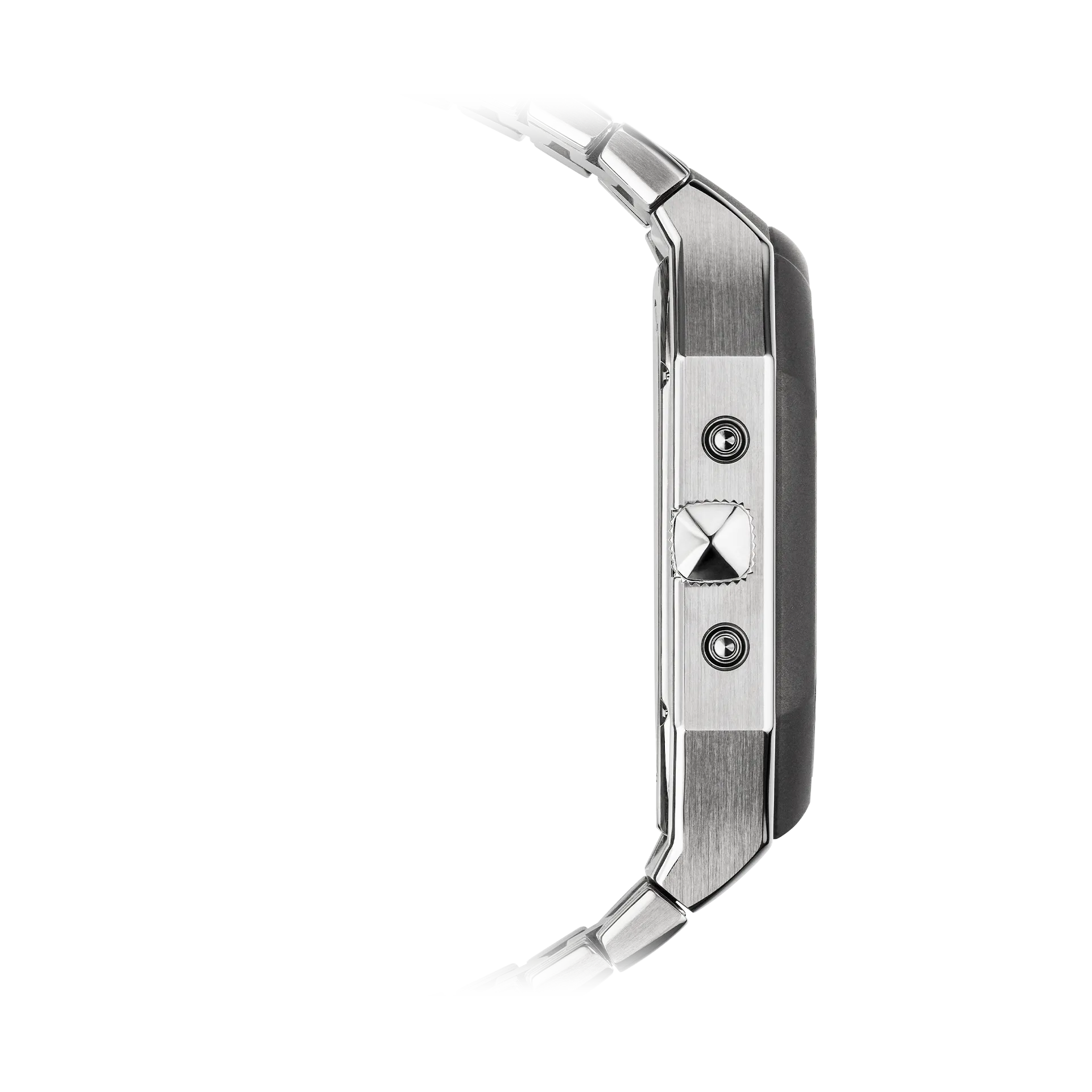
Gerald Charles employs high-quality materials and meticulous finishing across its collections. The Masterlink Perpetual Calendar, for instance, utilizes scratch-resistant titanium for its case and bracelet. The finishing on titanium cases often involves contrasting polishes, blending light-colored polished surfaces with darker-hued satinized surfaces to create visual interest. Dials are crafted with relentless attention to detail, with textures and proportions carefully considered to enhance legibility and aesthetic balance. The GCA11000 movement itself features intricate decoration, with its visual architecture reportedly based on a top-down map of Geneva, including a specific ruby stone marking the location of the Gerald Charles headquarters. The symmetrical placement of inset calendar corrector pushers on the Masterlink Perpetual Calendar also highlights the brand's commitment to thoughtful design, ensuring a clean appearance.
Choosing Between Maestro and Masterlink
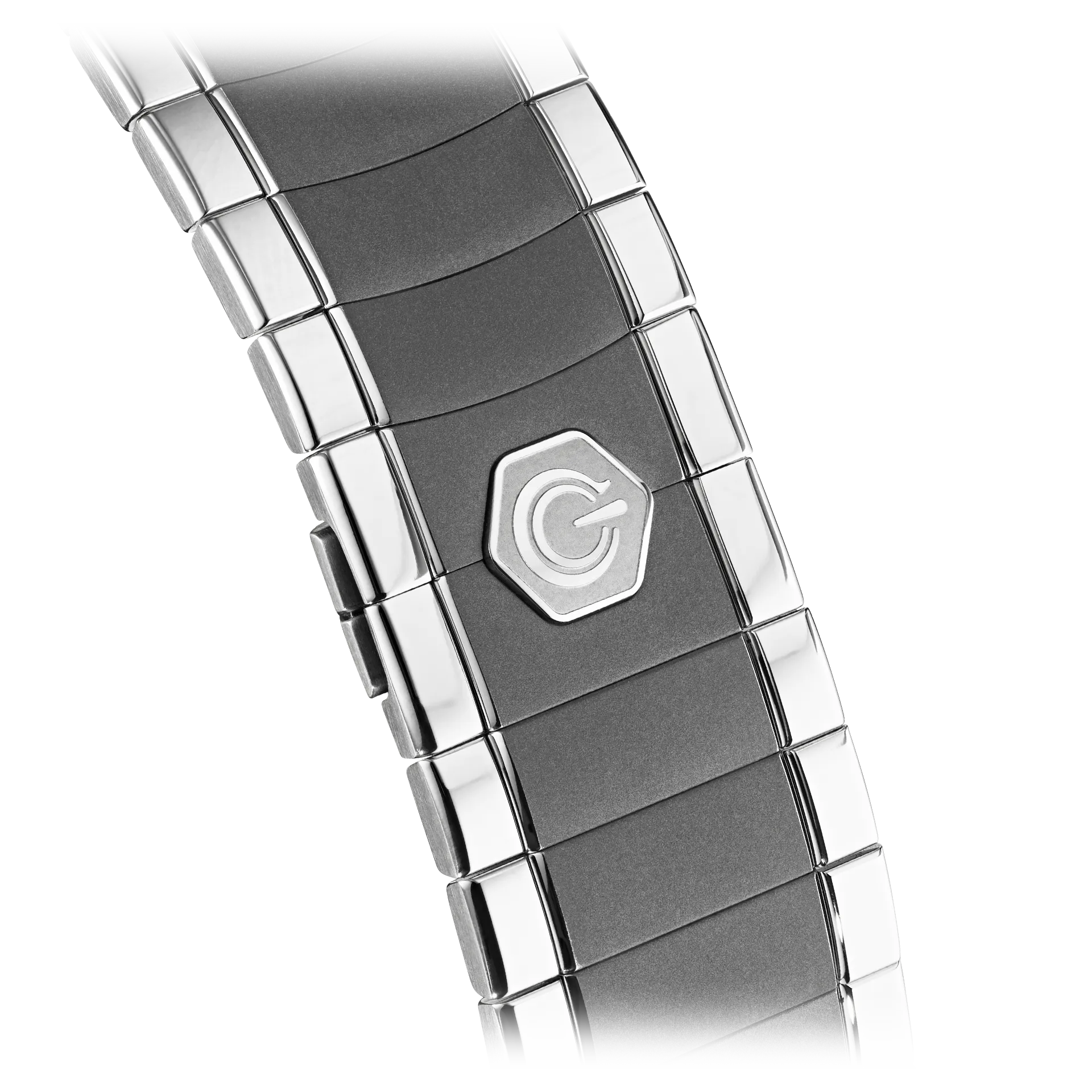
When deciding between a Maestro and a Masterlink, consider your priorities. If you are drawn to the purest expression of Gérald Genta's original asymmetrical case design, the Maestro collection offers that direct connection. It's a choice for those who value the foundational aesthetic and its artistic statement. If, however, you prefer the seamless integration of a bracelet with the distinctive case shape, and appreciate a slightly more contemporary profile, the Masterlink collection provides that harmony. For collectors seeking advanced horological complications, the Masterlink Perpetual Calendar combines the integrated bracelet design with a sophisticated perpetual calendar movement, offering both technical prowess and unique aesthetics. Both lines share the brand's commitment to high-end craftsmanship, ergonomic wearability, and a distinctive design heritage, ensuring that either choice delivers a unique luxury watch experience.
Written by the Man of the Hour Editorial Team.